


Floor map
1st floor
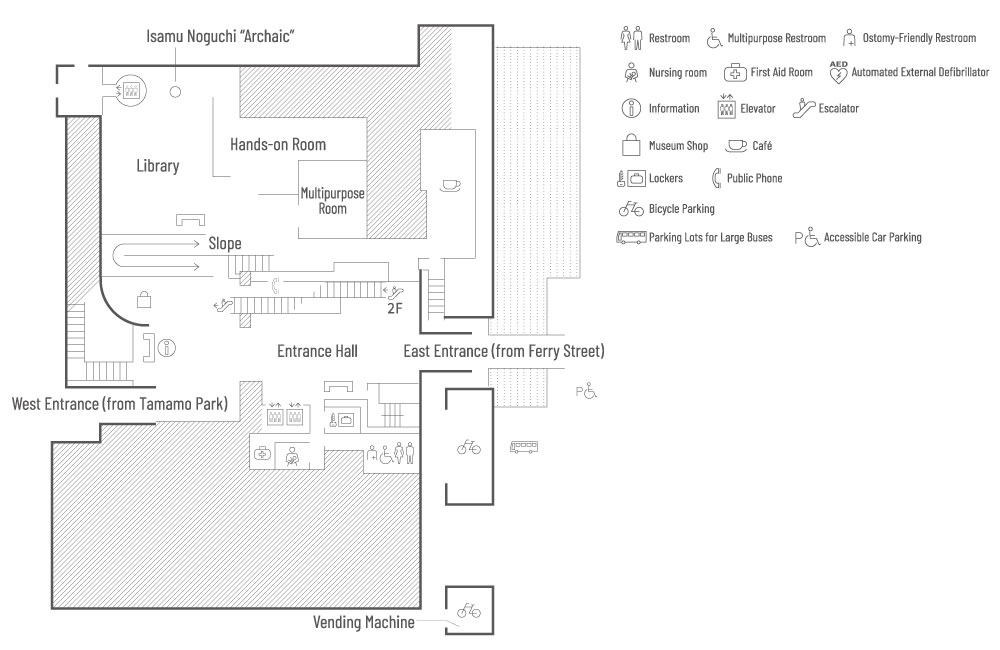
The library, hands-on learning room, multi-purpose room, museum shop and café are on the first floor. Anyone can enter the first floor free of charge.
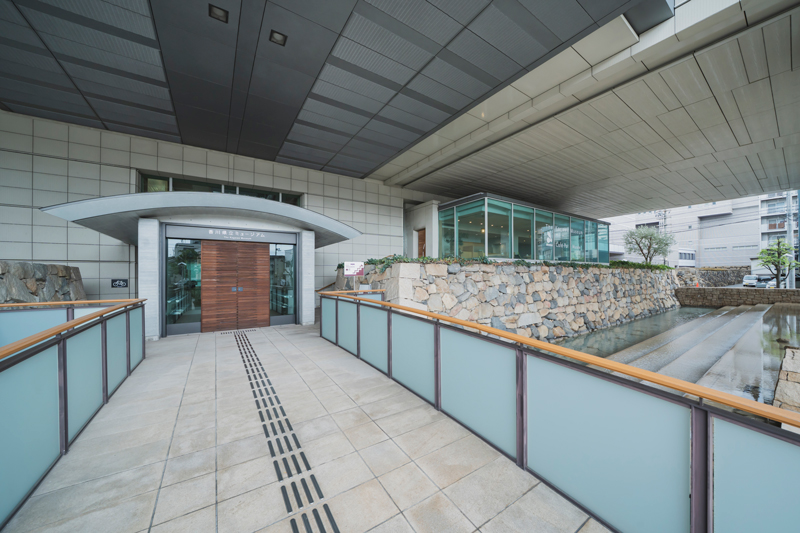
East entrance
This museum was built in a place where Takamatsu Castle’s Higashinomaru bailey once stood. Its east entrance, which faces Ferry-dori, is on the east end of the old central moat. To enter the building through the east entrance, you need to walk over the moat-like water feature by the stone walls. The stone walls were unearthed during the construction of the museum, and the tops of the walls were reconstructed to match the height of the original walls.
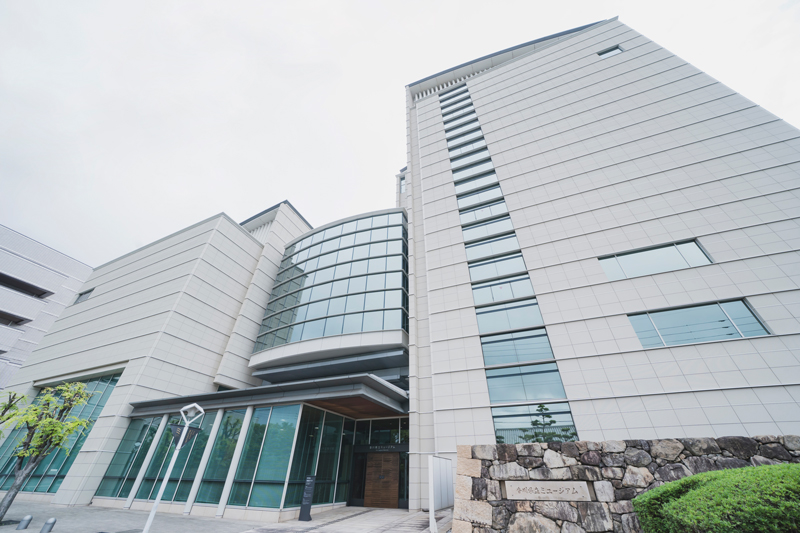
West entrance
The easily accessible west entrance is only about 70 meters from the east gate of Tamamo Park.
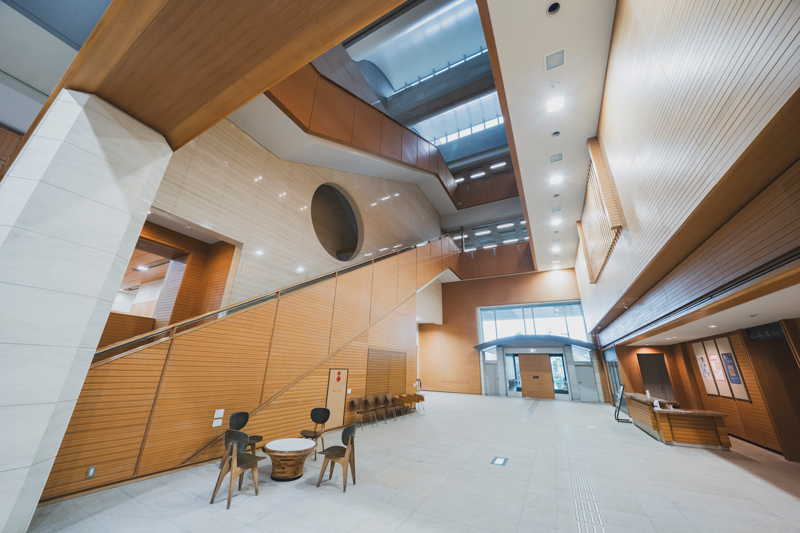
Entrance Hall
The open, atrium-style entrance hall features a serene interior finished in wood. Design furniture with connections to Kagawa is placed throughout the space.
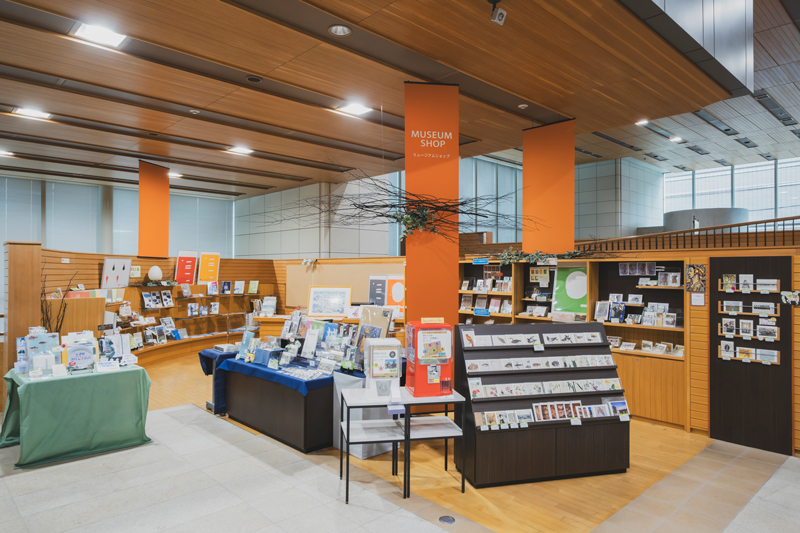
Museum Shop
The shop sells stationery that features works owned by the Museum, including postcards, and exhibition-inspired merchandise and exhibition booklets.
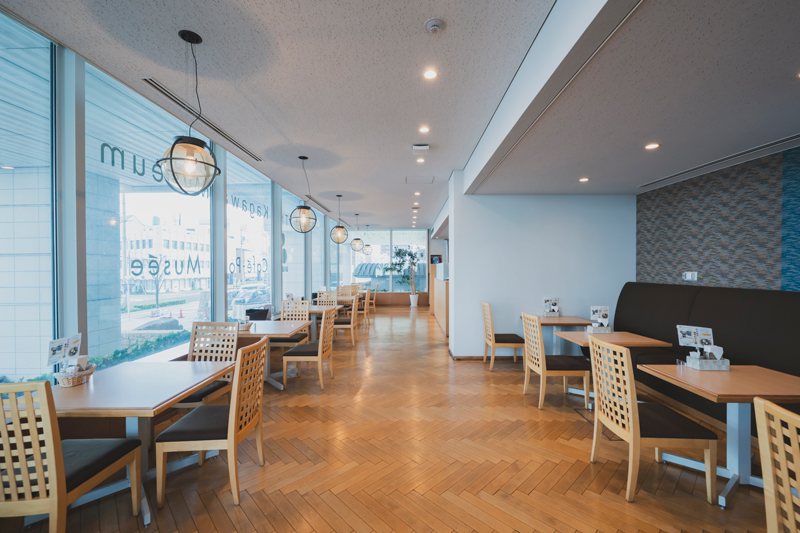
Musée: Museum café
The café is filled with light that comes through its large windows. It serves a variety of dishes, including breakfast, lunch, and desserts. Plate lunches prepared with seasonable vegetables and unique limited dishes inspired by exhibitions are also available.
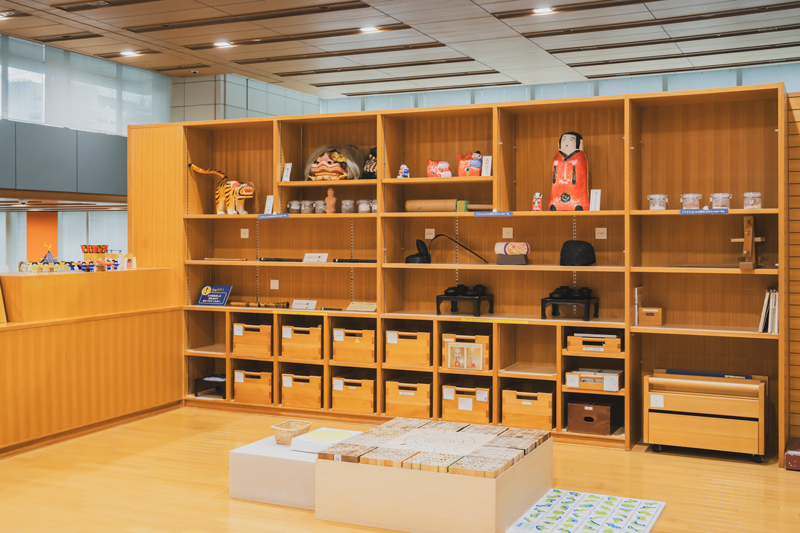
Hands-on Learning Room
This room includes areas for traditional Japanese games and a kimono-wearing experience that is suitable for people of all ages hoping to learn about history in a fun way.
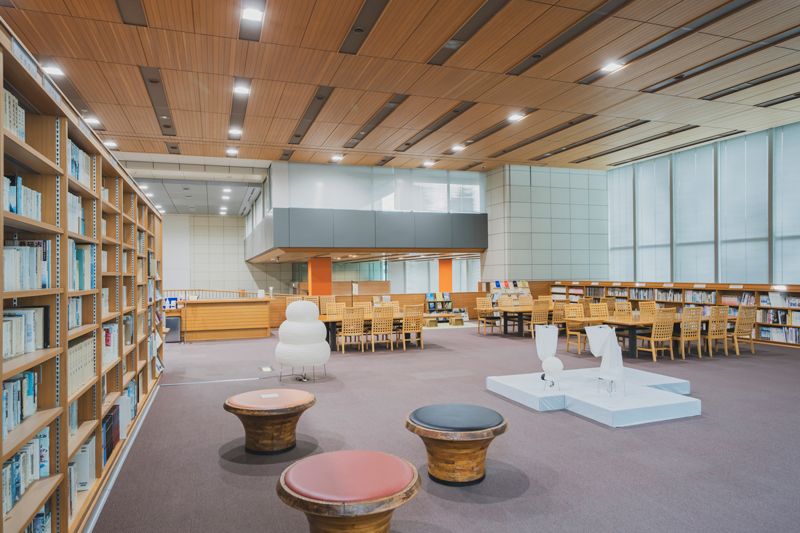
Library
The library includes approximately 4,000 books about history, folklore and art. Anyone can freely read these books as well as the exhibition booklets published by the Museum and other materials produced locally. Archaic, one of the works that Isamu Noguchi created in his later years, is also displayed here.
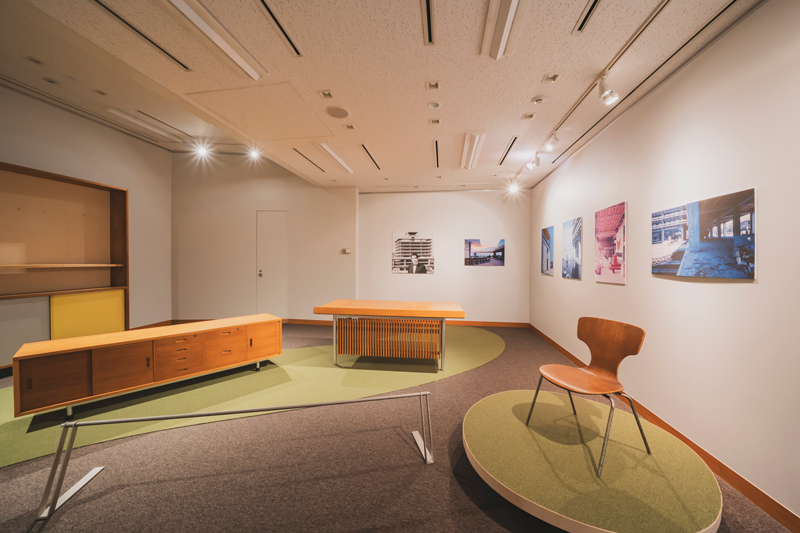
Multi-purpose Room
Furniture previously used in the main Kagawa Prefectural Government Office building designed by architect Kenzo Tange and interior designer Isamu Kenmochi is displayed here.
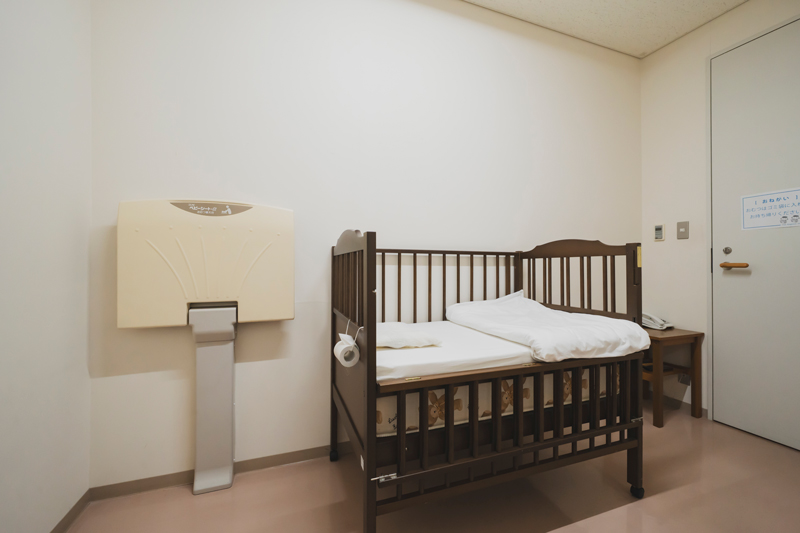
Nursing Room
Please ask our staff at the information desk on the first floor if you desire to use the nursing room.
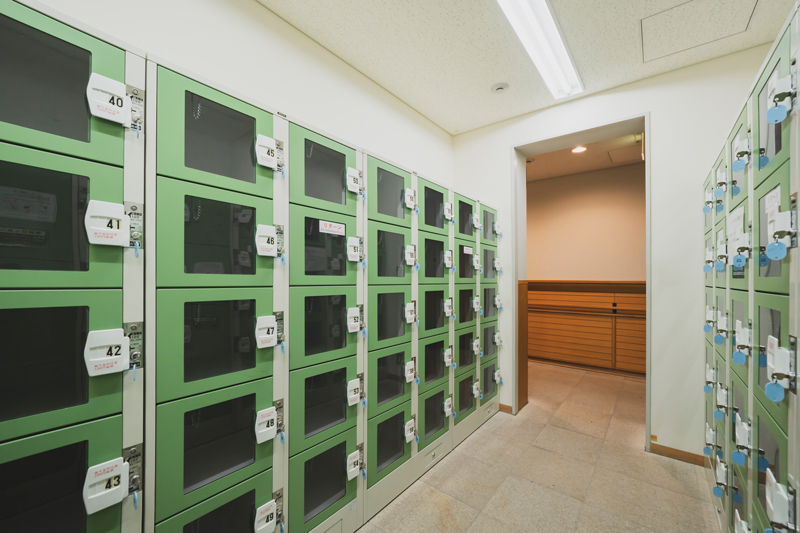
Baggage Lockers
Baggage lockers are available free of charge.
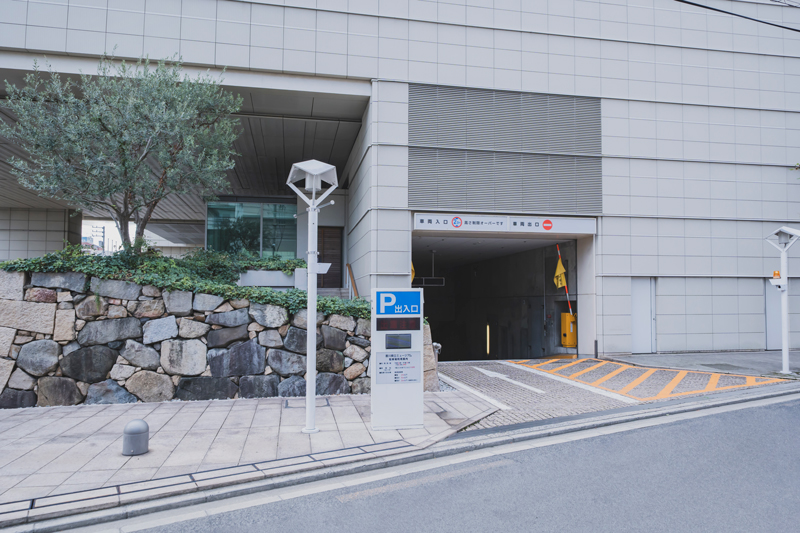
Underground parking
Up to 50 parking spaces for standard cars are available. Parking fees apply. There are also parking spaces for three large buses (advance booking is required).
2nd floor
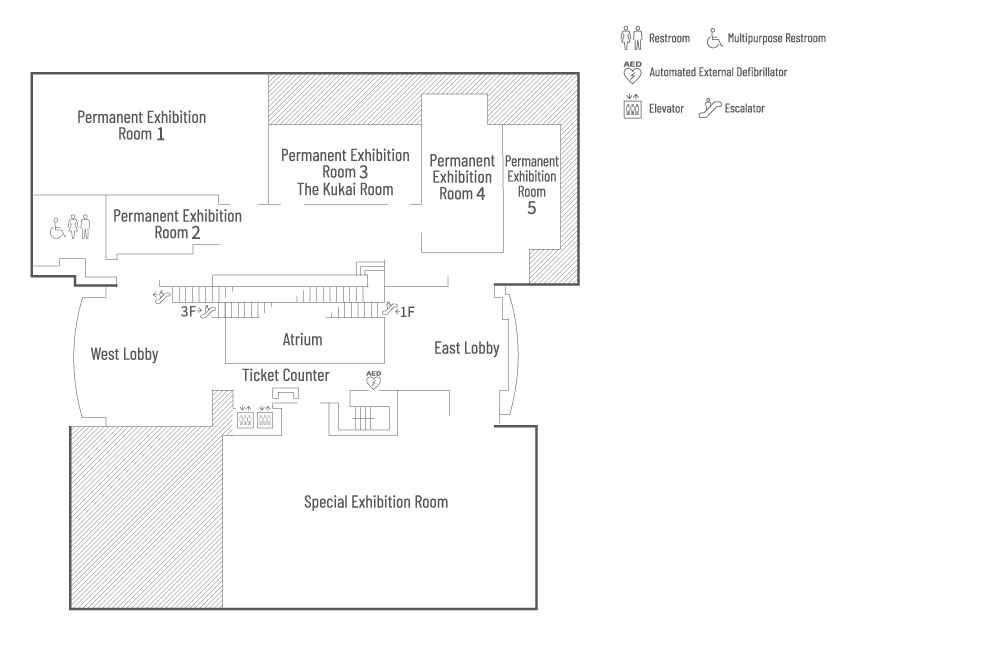
The Special Exhibition Room, Permanent Exhibition Rooms 1 to 5, and the ticket office selling tickets for all exhibitions are on the second floor.
There is an exhibit detailing the life and achievements of Kukai in Permanent Exhibition Room 3 throughout the year.
Special Exhibition Room
Large, themed exhibitions primarily featuring objects owned by the Museum are held in the room. The Kagawa Prefectural Art Exhibition and the Japan Traditional Kogei Exhibition are also held here.
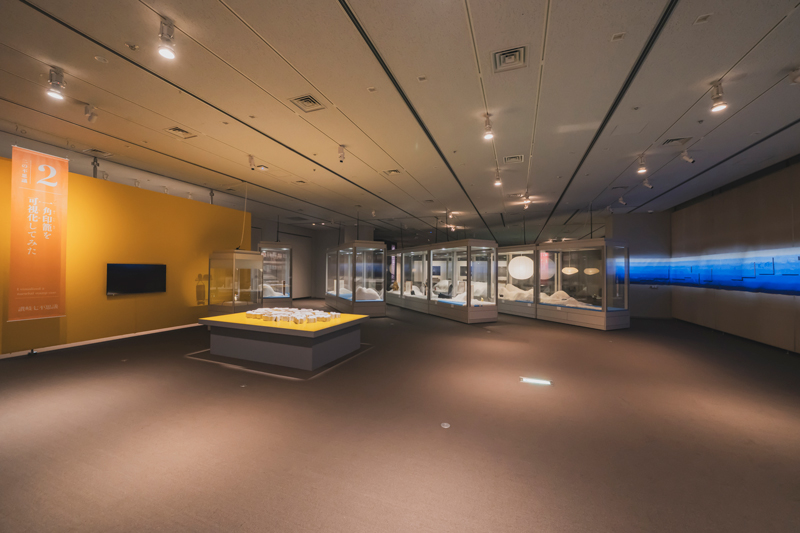
Permanent Exhibition Rooms
Theme-based exhibitions primarily featuring exhibits owned by the Museum are held in these rooms.
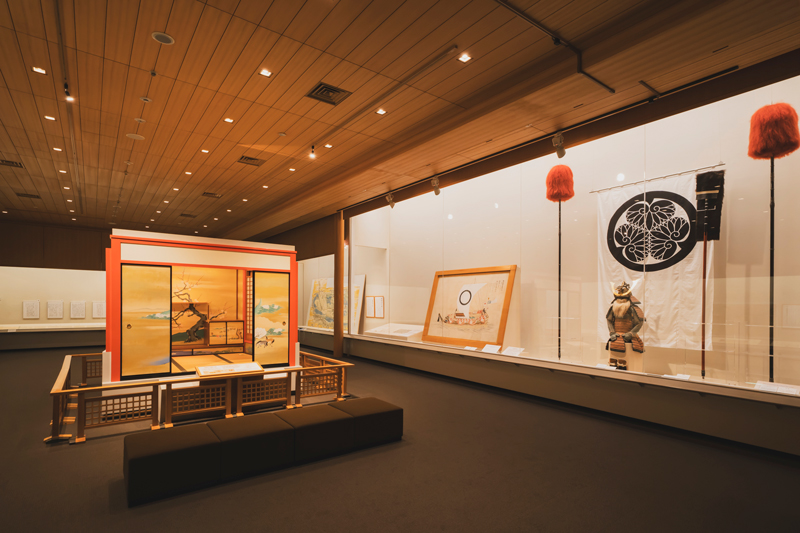
Permanent Exhibition Room 1: Historical Materials of the Takamatsu Matsudaira Family
National treasures and cultural properties that belonged to the Takamatsu Matsudaira family, daimyo (region lord) who governed the Takamatsu domain in the Edo period, and other historical materials offer a fascinating glimpse into the life and culture of the family. A reproduction of the lavish Goza no Ma room within the Hiryumaru, a boat reserved for the head of the Takamatsu Matsudaira family, is also on display.
Theme-based exhibitions primarily featuring exhibits owned by the Museum are also held in this room.
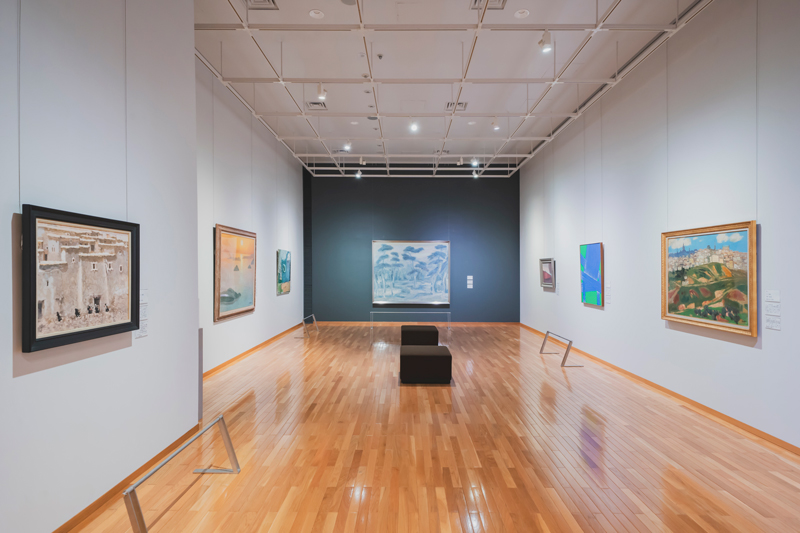
Permanent Exhibition Room 2: Art Collection
Museum-owned works associated with Kagawa are displayed in this room.
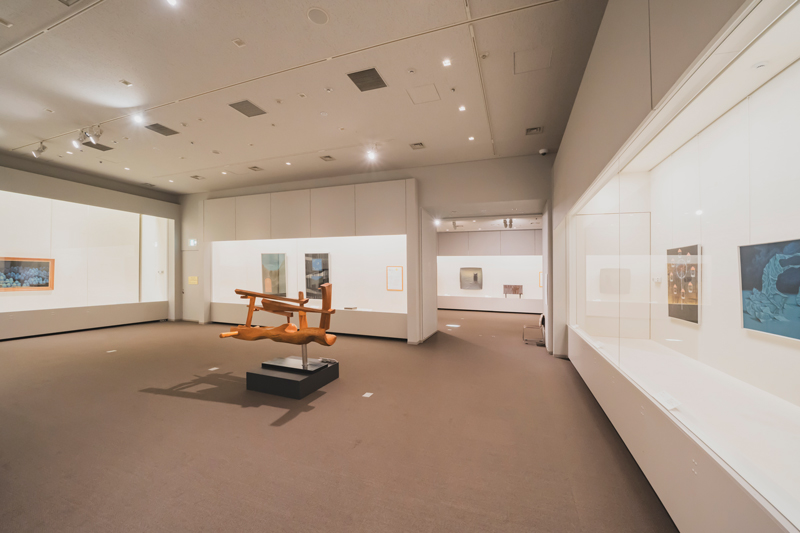
Permanent Exhibition Rooms 4 and 5: Art Collection
Museum-owned works associated with Kagawa are displayed in this room.
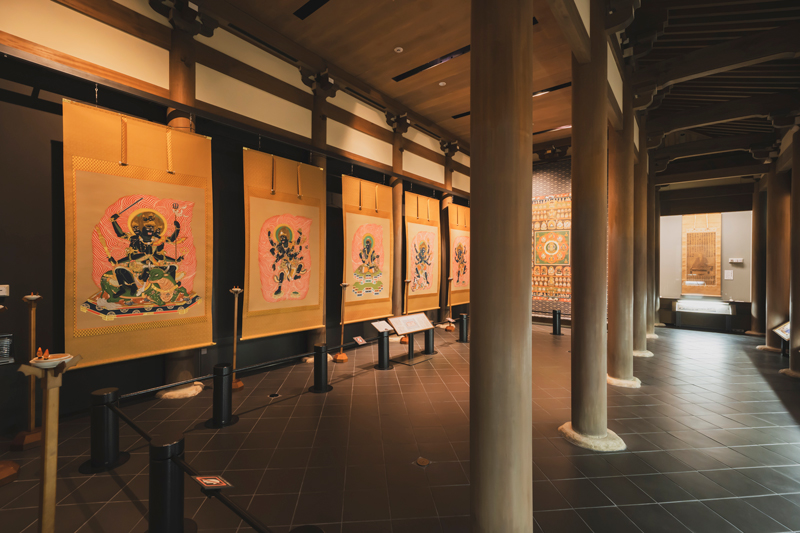
Permanent Exhibition Room 3: Kukai Exhibition Room
The Kukai exhibition room has a solemn atmosphere. It was built to imitate the Kanjo-in Hall in the Toji temple in Kyoto. The room provides visitors with a narrative overview of the life of Kukai, from his birth and his training in Esoteric Buddhism in China during the Tang dynasty to his achievements after returning to Japan. The exhibits include materials owned by the Museum and faithful reproductions of national treasures and important cultural properties. These accurate reproductions provide visitors with an opportunity to closely admire the beauty and functionality of ritual implements of Esoteric Buddhism.
*Photography prohibited in all areas
3rd floor
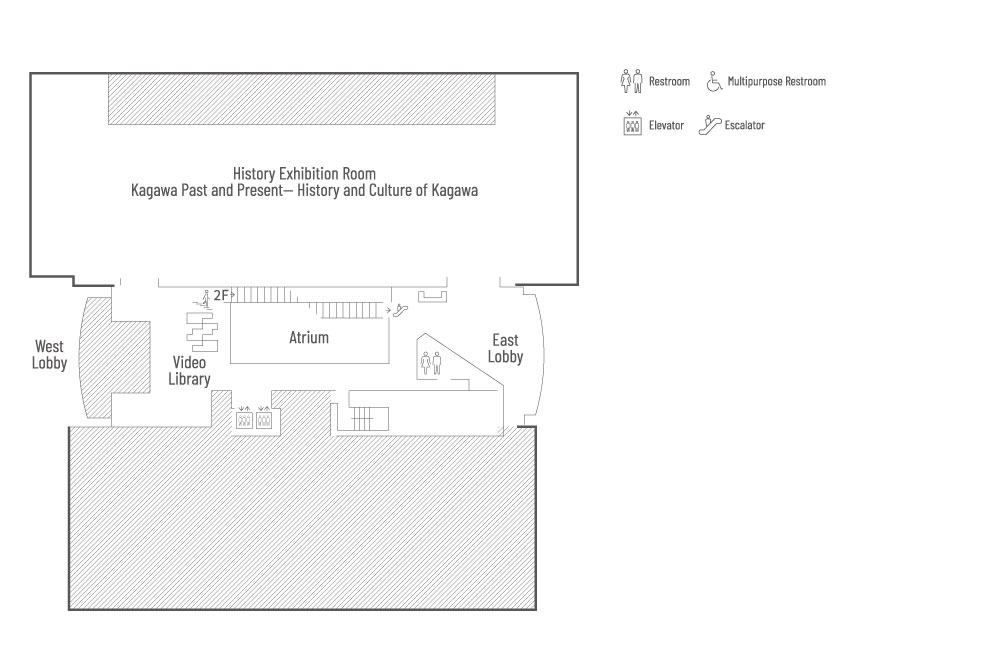
History Exhibition Room (The Past and Present of Kagawa: The History and Culture of Kagawa)
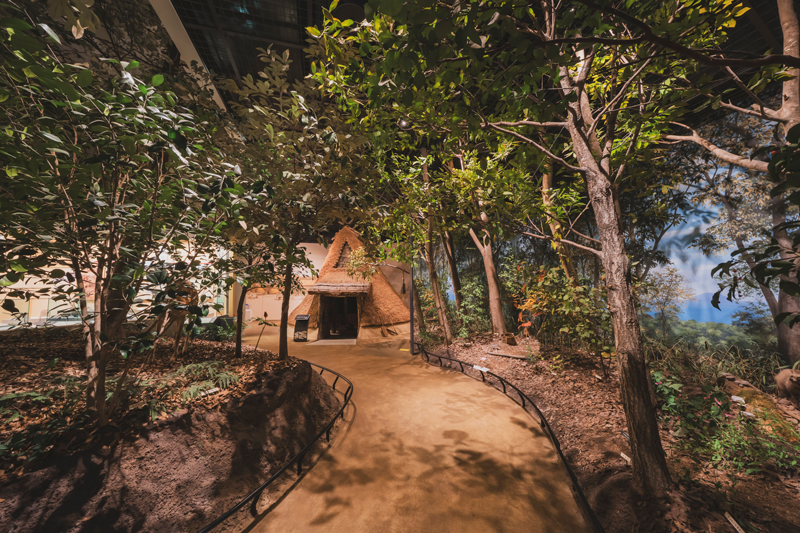
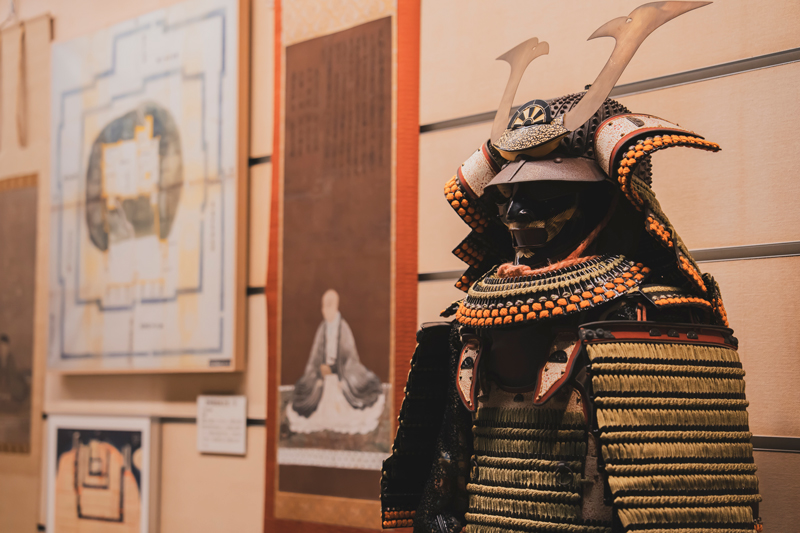
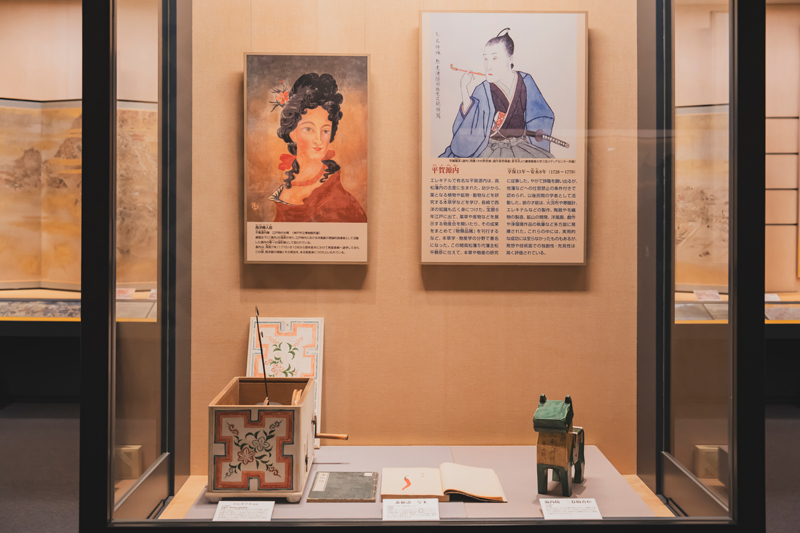
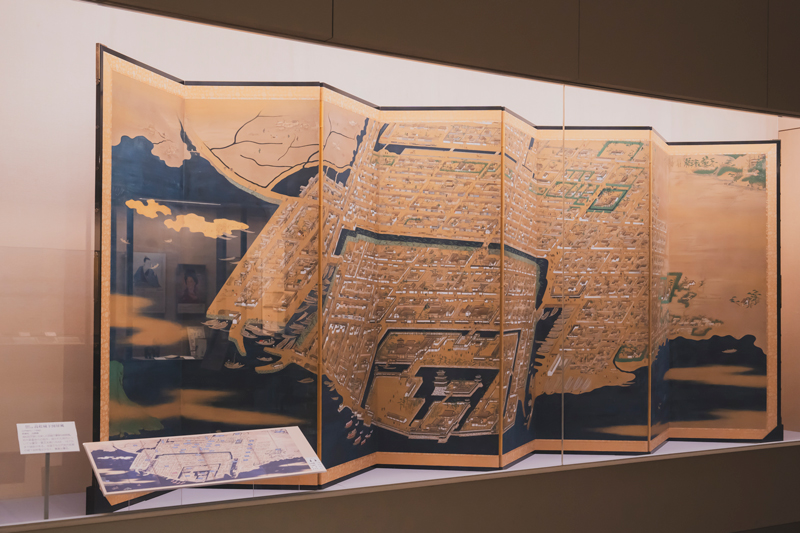
Large exhibits and videos enable people to learn about the development of Kagawa over the last 20,000 years, from prehistory to the modern era. Realistic three-dimensional exhibits faithfully depicting buildings and landscapes allow you to experience the unique atmosphere of each era. The Museum changes some of its exhibits a few times each year.
Tickets can be purchased at the ticket office located on the Museum’s second floor.
*Photography is permitted in the history exhibition room
First basement
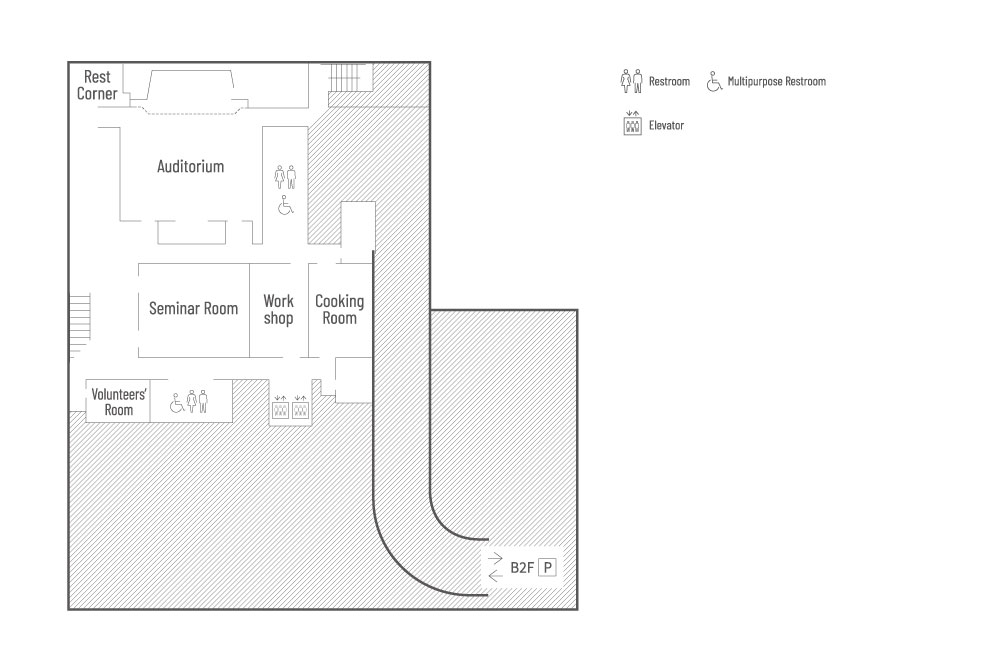
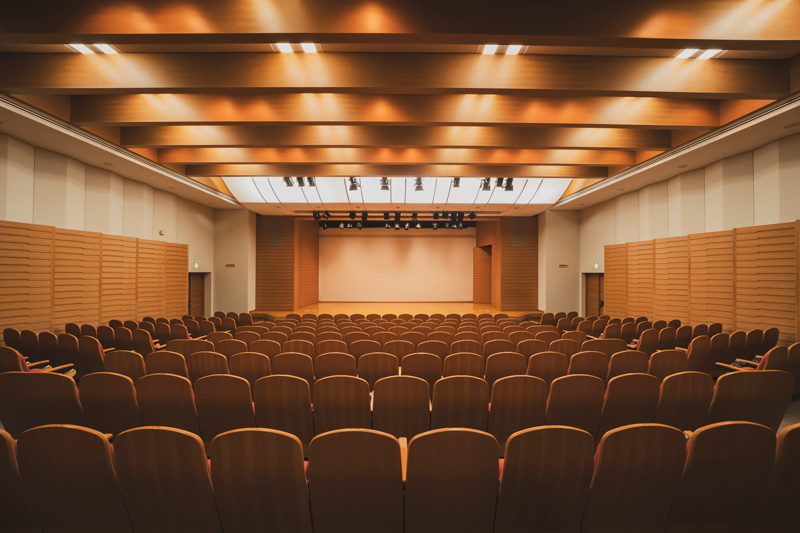
Auditorium
Lectures and seminars on history and art are held here.
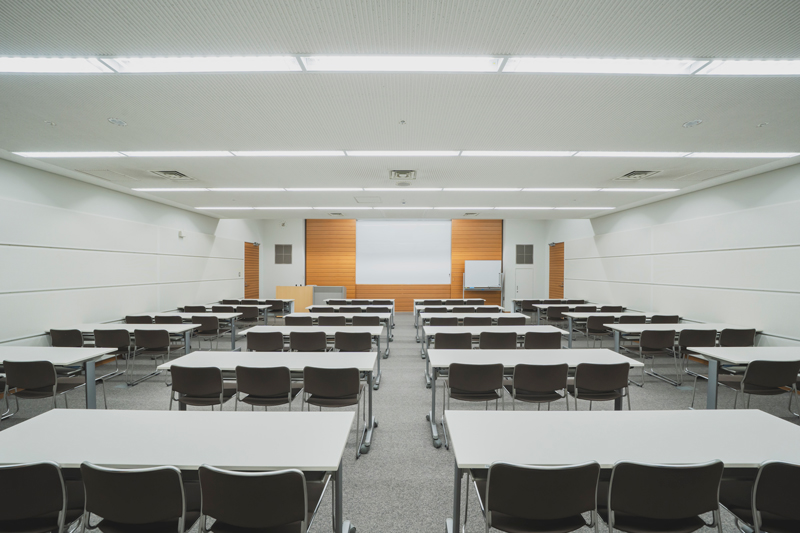
Training Room
Lectures and seminars on history and art are held here.
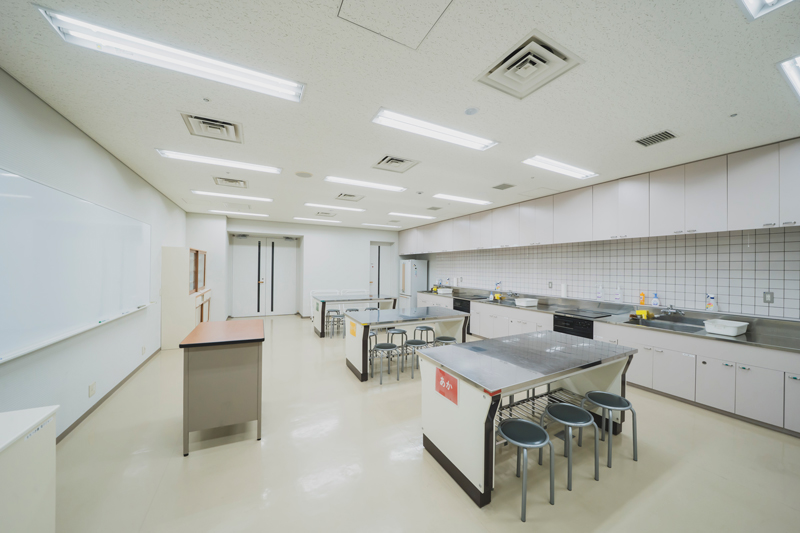
Demonstration Room
This room is designed for workshops, such as on food.
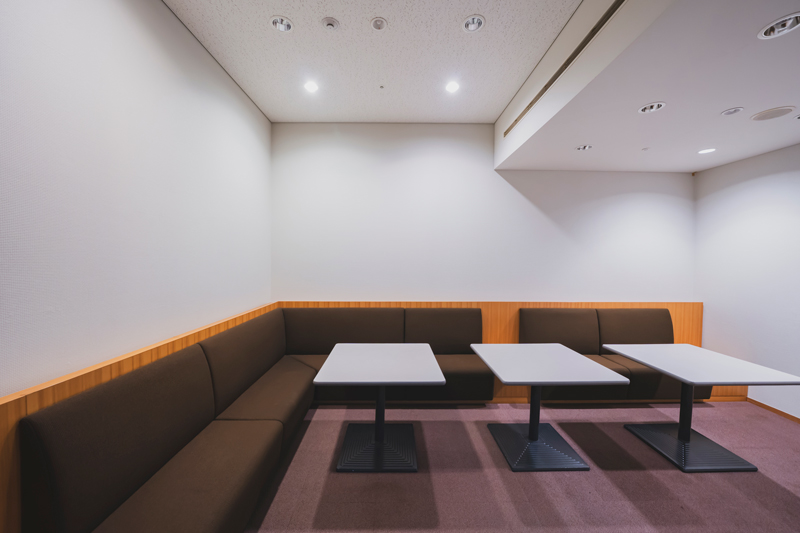
Rest Area
This area is available to people who would like to rest. This is the only area within the facility where eating and drinking are permitted.
Second basement
Underground parking
Up to 50 parking spaces for standard cars are available. Parking fees apply. There are also parking spaces for three large buses (advance booking is required).