


The life and achievements of Kobo Daishi (Kukai)
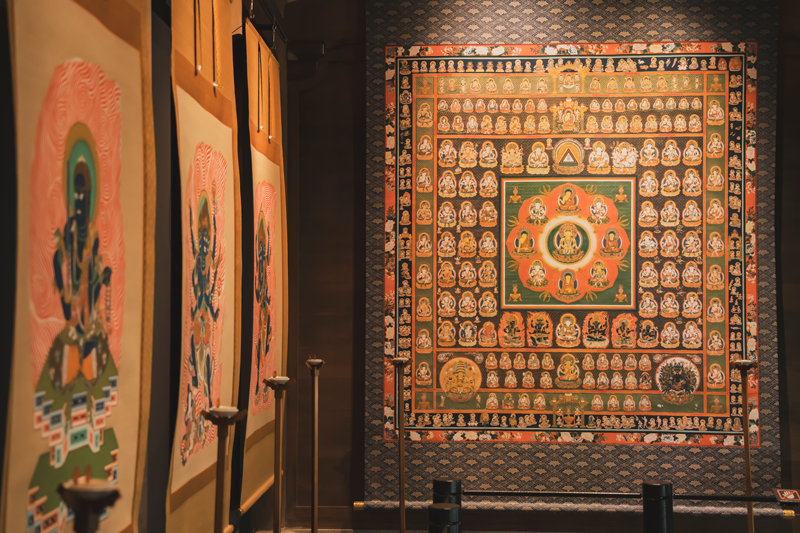
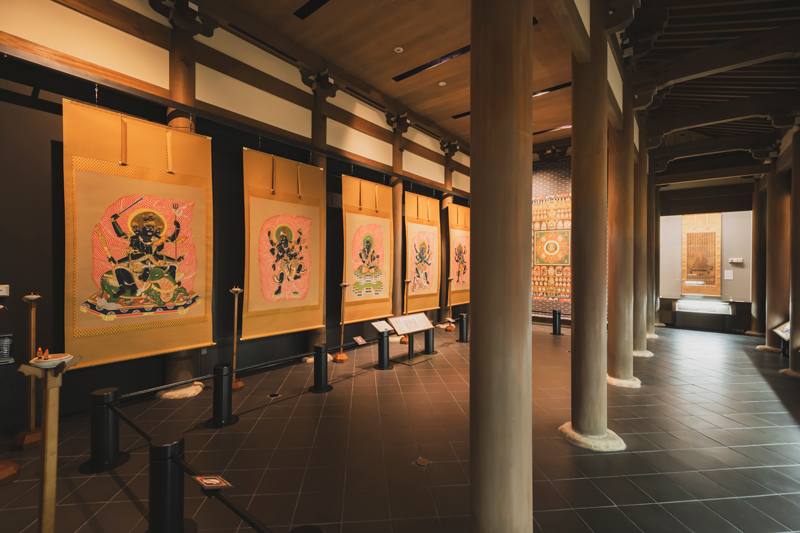
The room was built to imitate the Kanjo-in Hall in the Toji temple in Kyoto, where he performed rituals. Mandala and paintings of the Five Great Wisdom Kings are displayed to provide an immersive Goshichinichi no Mishiho Service experience.
The exhibition explores the life of Kukai based on scenes depicted on a picture scroll made in medieval Japan. Museum-owned materials and faithful reproductions of national treasures and important cultural properties tell the story of his great achievements.
.png)
Dates
Hours of operation
Please refer to the Hours of operation/Days closed section for more information.
Days closed
Please refer to the Hours of operation/Days closed section for more information.
Venue
Admission fee
Please refer to the Admission fee section for more information.
Accurate reproductions
Modern specialists created our reproductions by faithfully imitating national treasures and important cultural properties. The Kagawa Museum, located in the birthplace of Kukai, is the only museum permitted to display these reproduction national treasures.
Kukai Exhibition Room, a unique place to learn his life
The Kagawa Museum is the only facility in Japan where visitors can learn about the entire life of Kukai. There is nothing like this in Kyoto or at temples in Mt. Koya. This room is a unique place to learn about his thinking and his influence on culture using all five senses.
About Kobo Daishi (Kukai)
Kobo Daishi (Kukai) (774-835) was a Buddhist monk born in present-day Zentsuji, Kagawa. He is known as the founder of the Shingon School of Buddhism. He travelled to China in 804, during the Tang dynasty, and acquired the great knowledge of Esoteric Buddhism in Changan. He returned to Japan and officially introduced Shingon Esoteric Buddhism to the country. He then founded Kongobu-ji Temple at Mt. Koya as the center of training and the propagation of Shingon Esoteric Buddhism.
Kukai was an influential monk, calligrapher (one of the three famous Heian period calligraphers) and poet. He also had talent for construction and water management. The story of the Manno Reservoir restoration project that he carried out for the ordinary people of the region, one of his most important achievements, has been passed down to today.
People have deeply admired his thought and achievements beyond religion and culture. Kukai, who is also called Odaishisama, is still worshipped by people in Japan over 1,000 years after his death.
Selected Exhibits
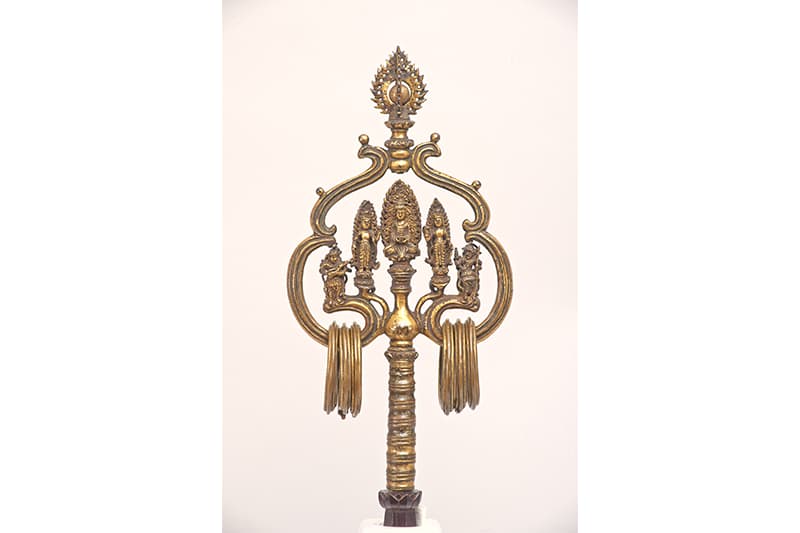
Collection of Zentsū-ji (photograph of the original)
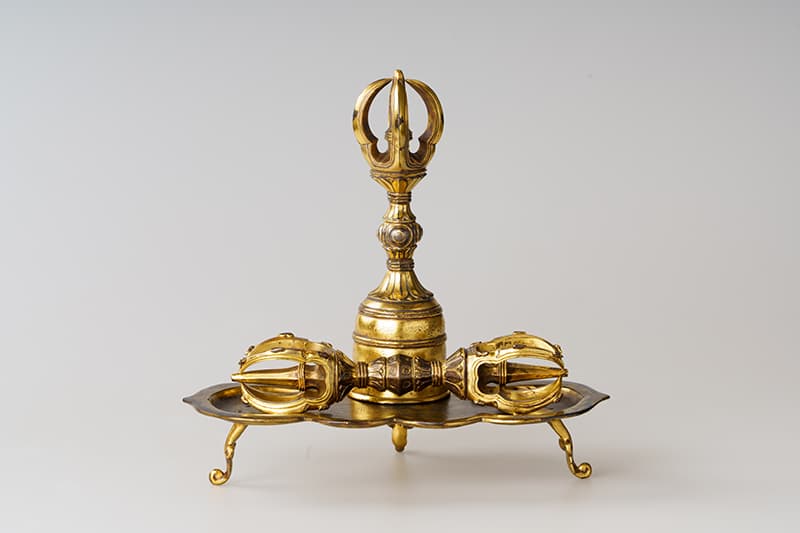
Collection of Tō-ji
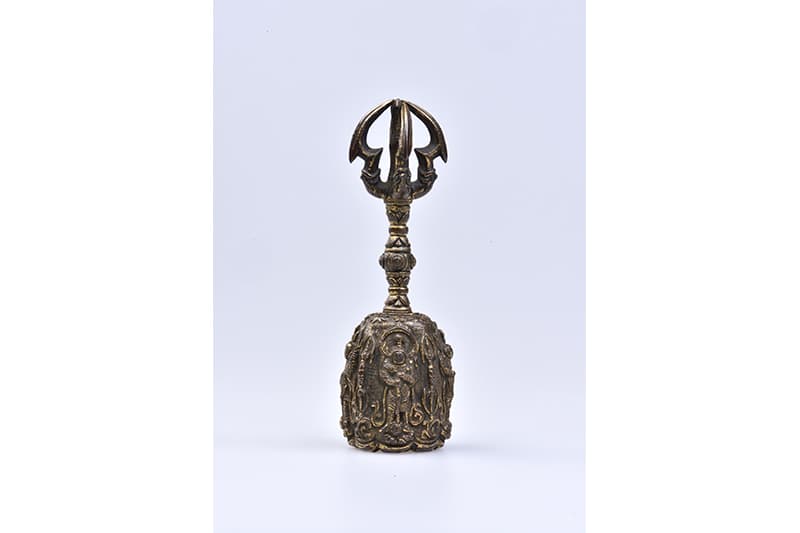
Collection of Iyadani-ji (photograph of the original)
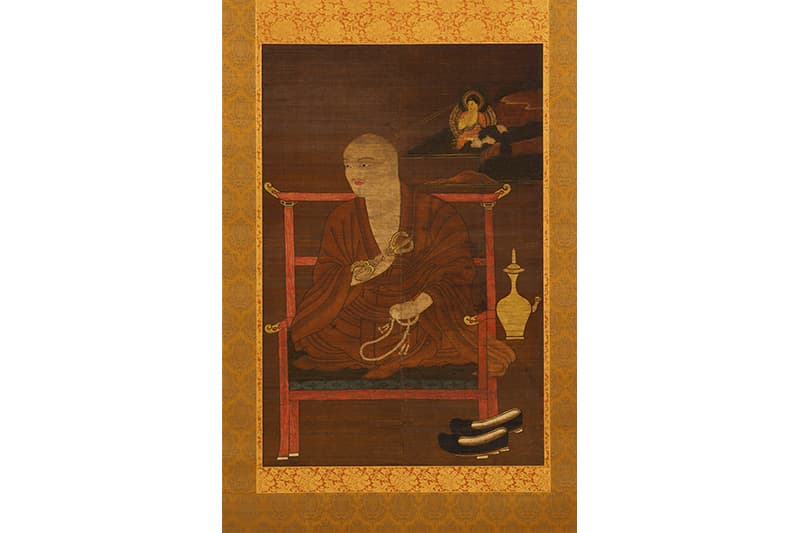
Museum Collection
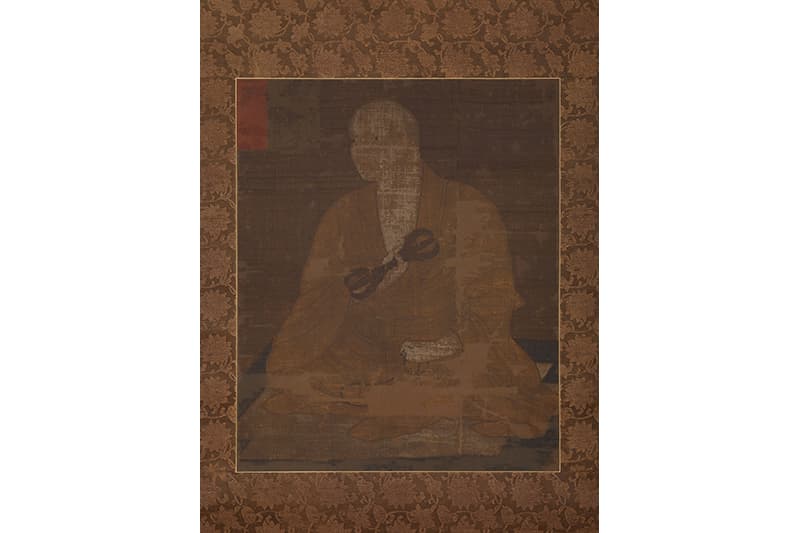
Museum Collection
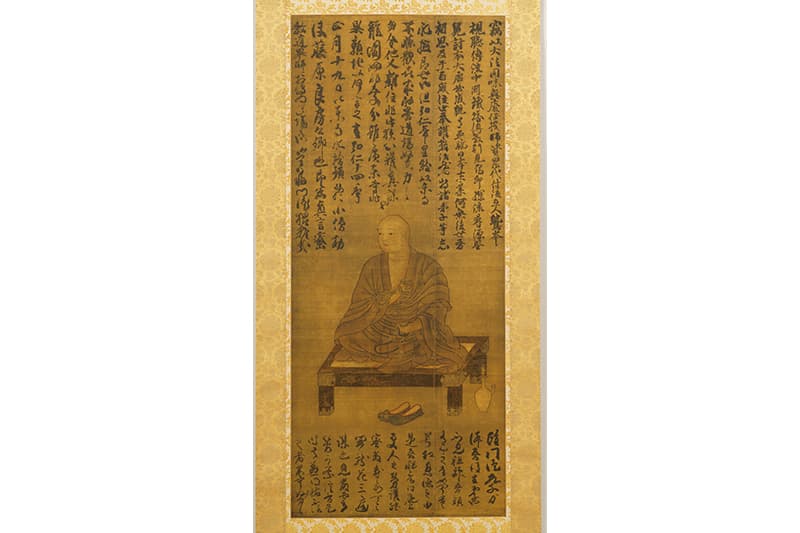
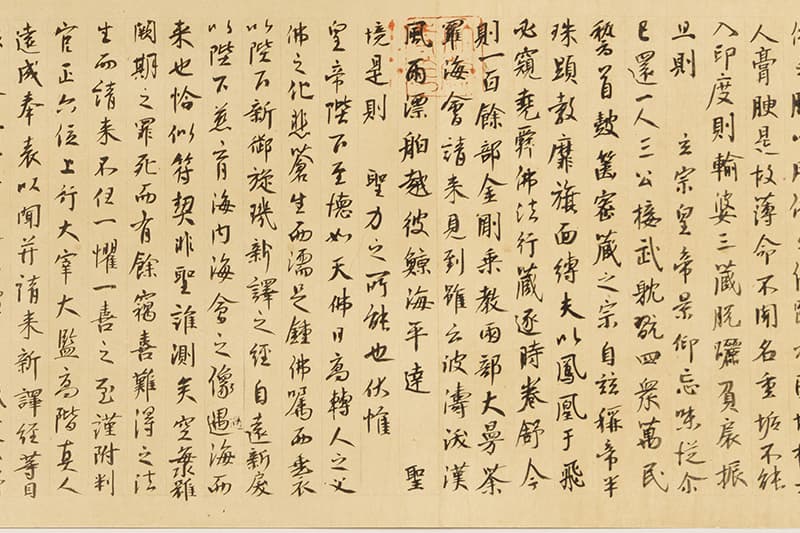
Collection of Tō-ji
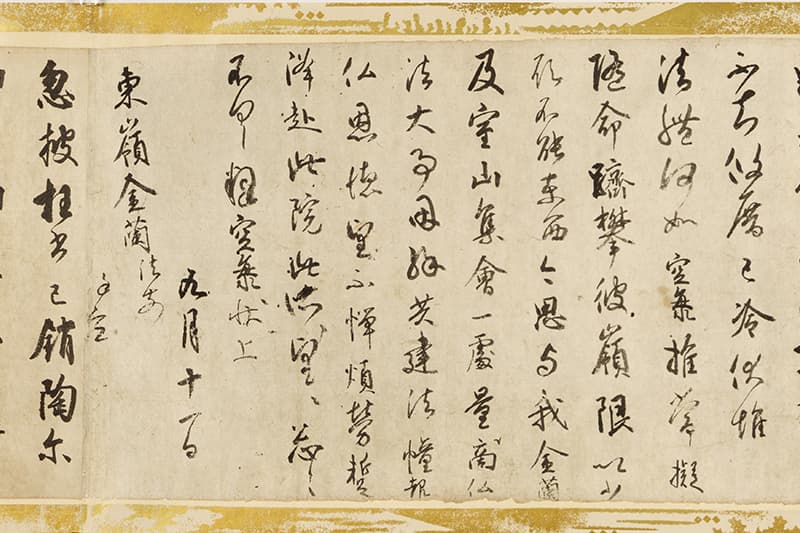
Collection of Tō-ji
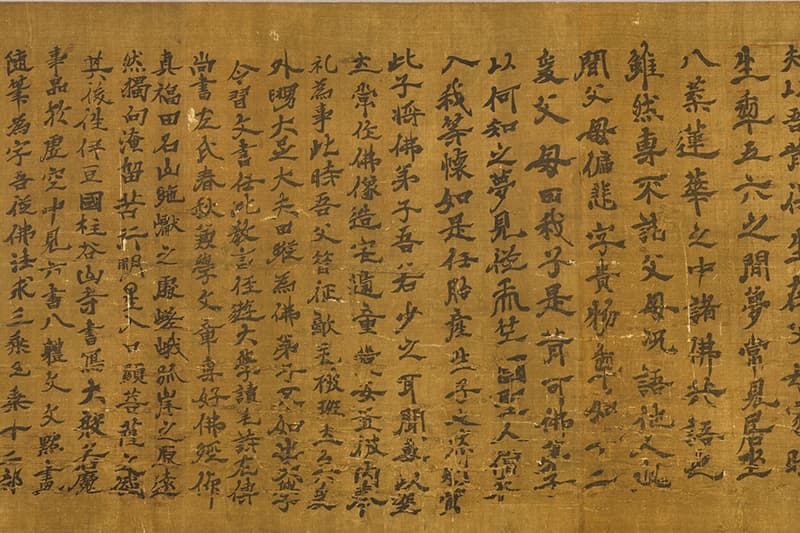
Collection of Tō-ji
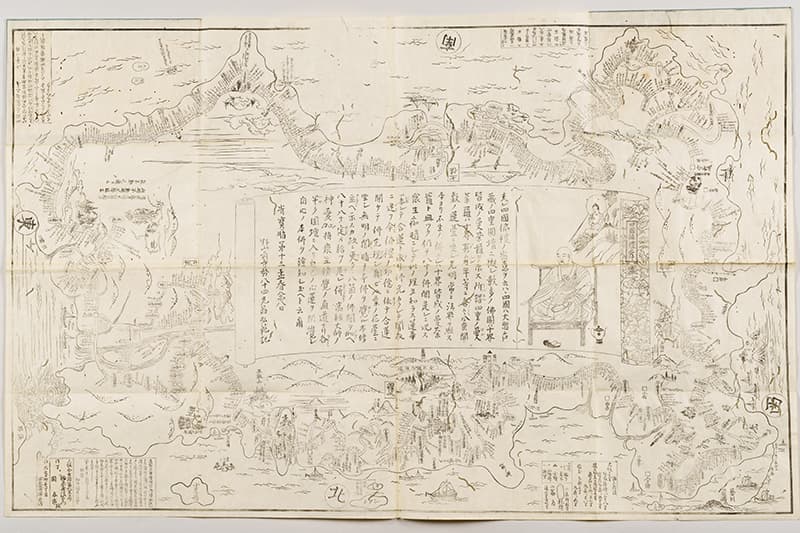
Museum Collection
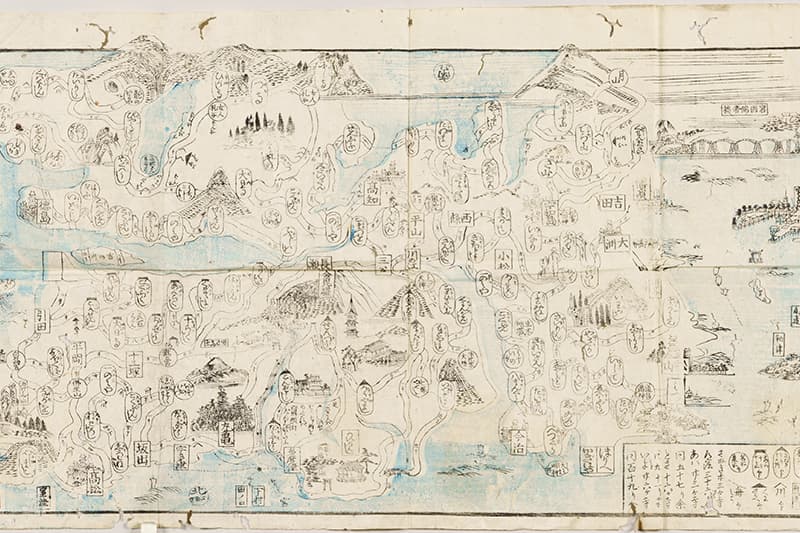
Museum Collection
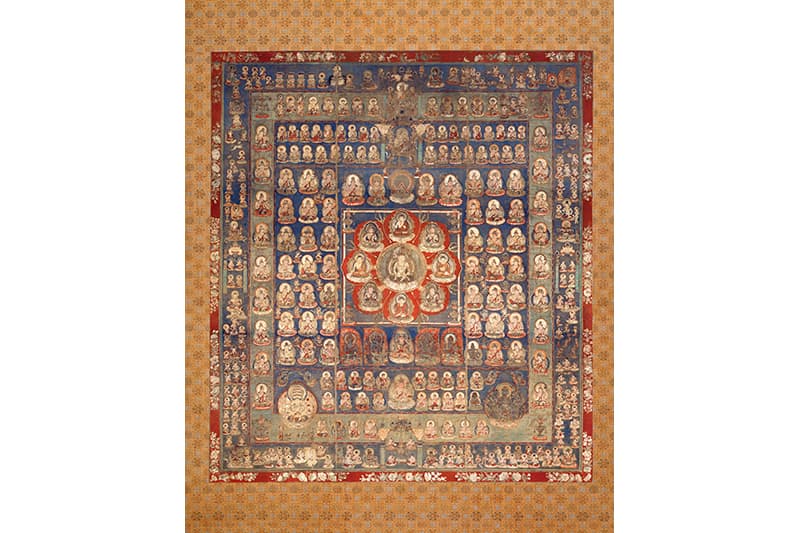
Collection of Tō-ji
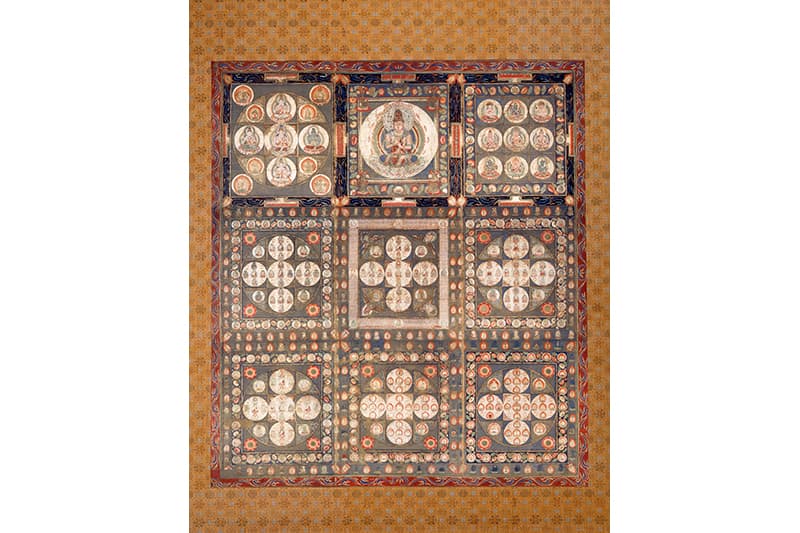
Collection of Tō-ji
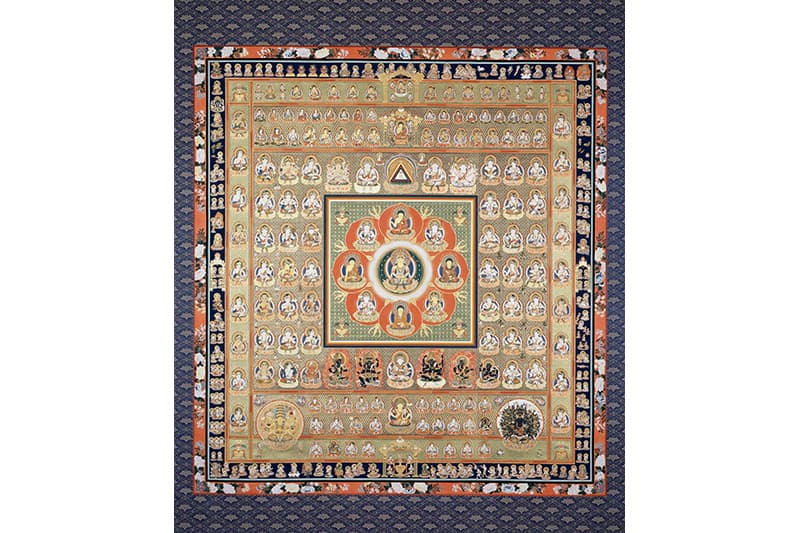
Collection of Tō-ji
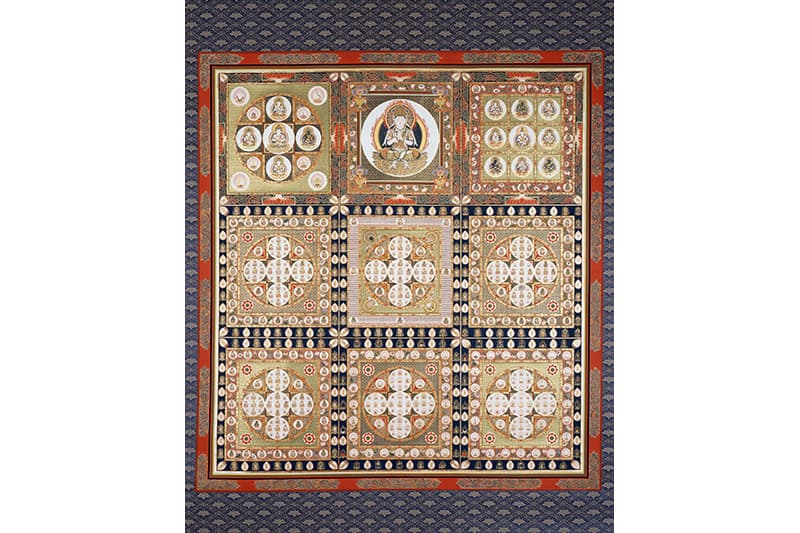
Collection of Tō-ji
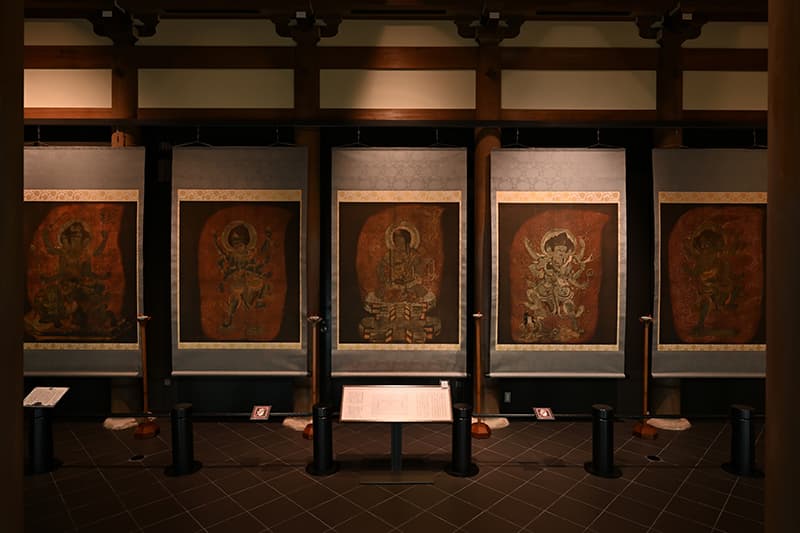
Collection of Tō-ji
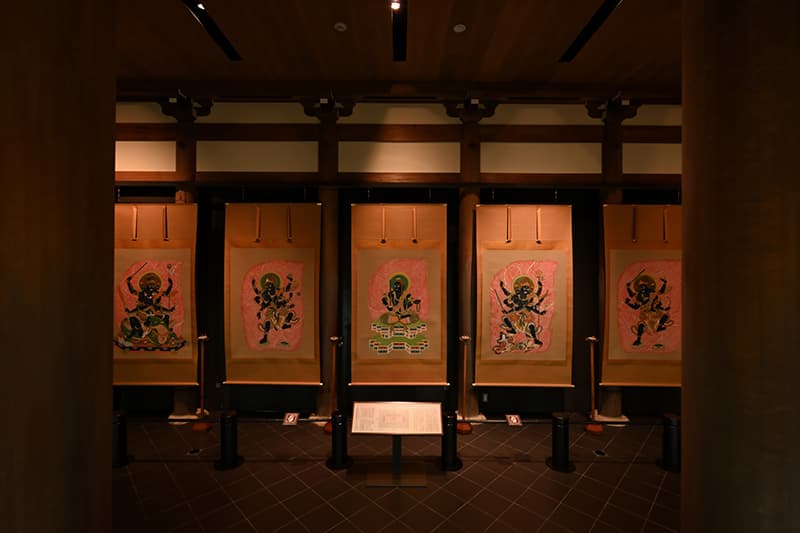
Collection of Tō-ji
*With the exception of works from the Museum’s own collection, all items on display are reproductions.