


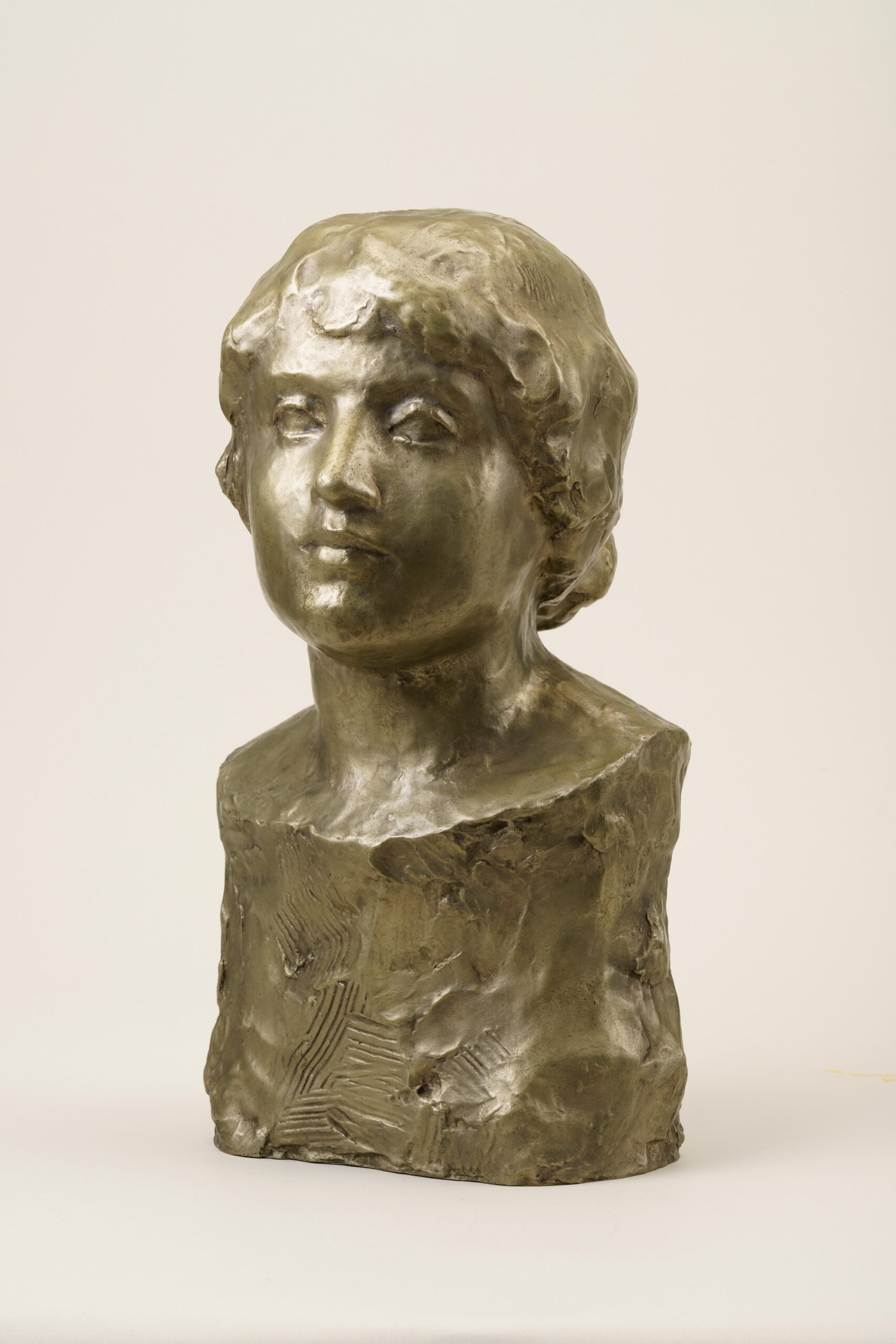
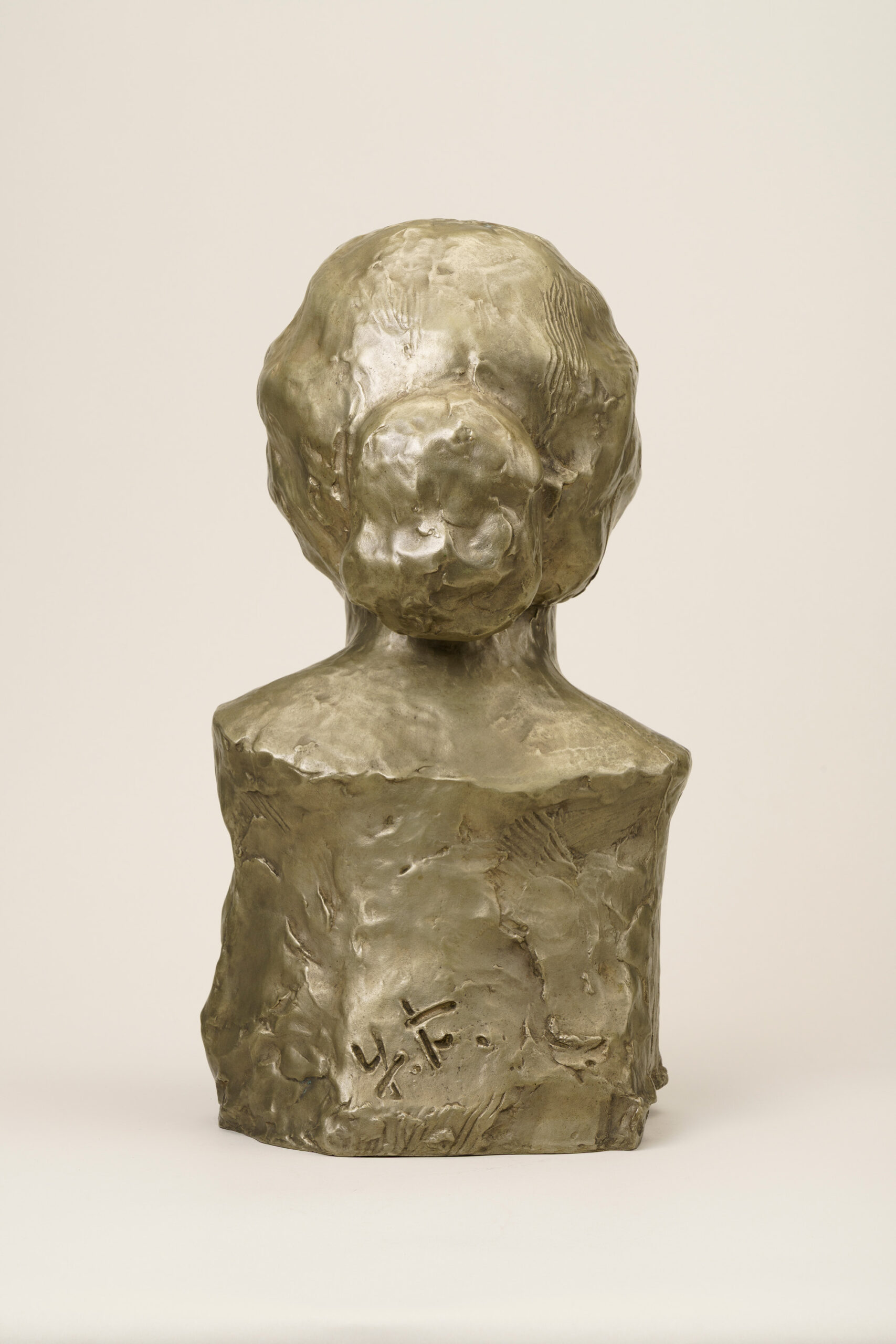
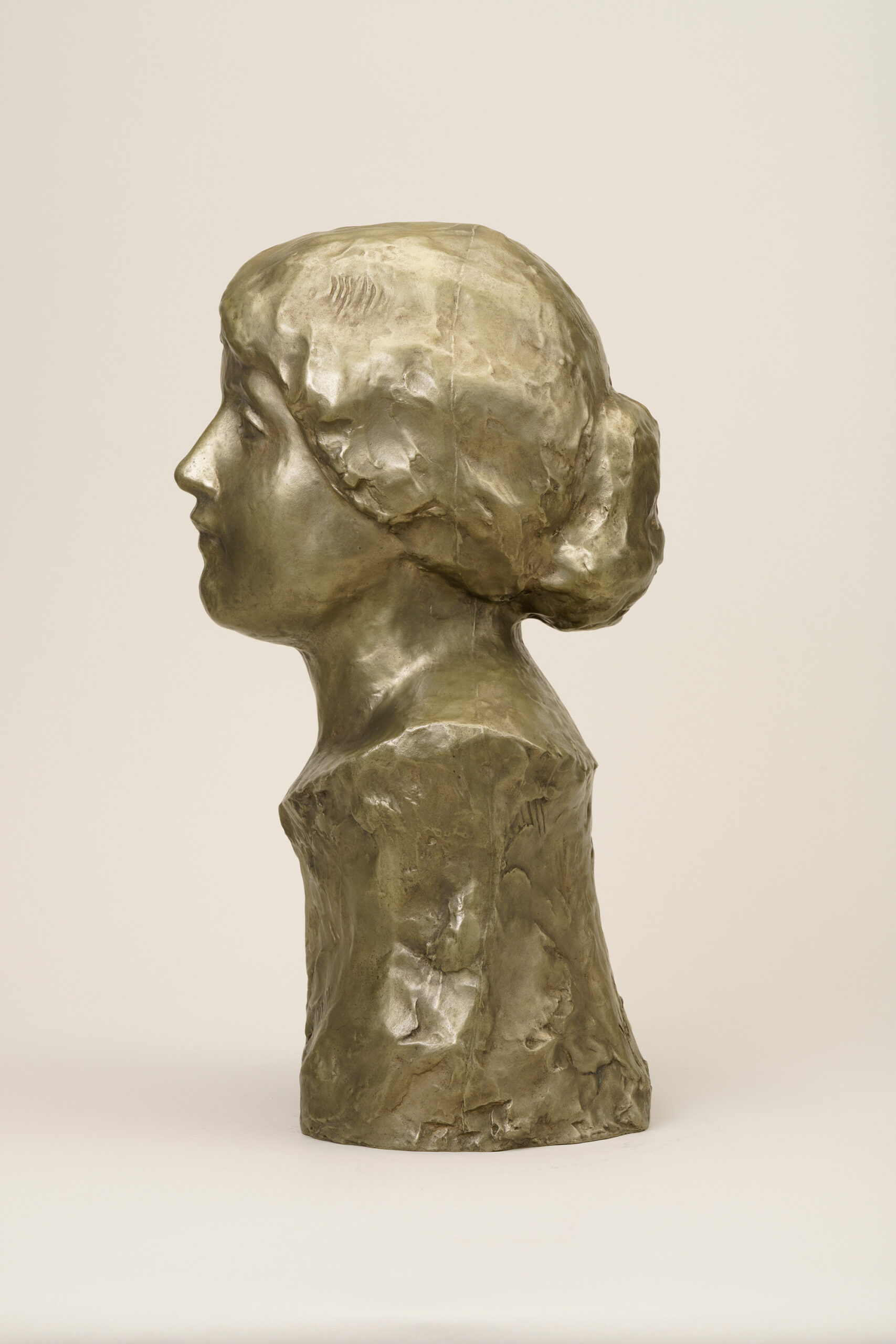
Blonde
- Artist
-
Fujikawa Yūzō (1883–1935)
- Period
-
1913 (Taishō 2)
- Quality and quantity
-
Cupronickel, one sculpture
- Size (cm)
-
H 46.0 × W 24.5 × D 25.0
- Category
-
Sculpture
- Accession number
-
BK1#01074
Description
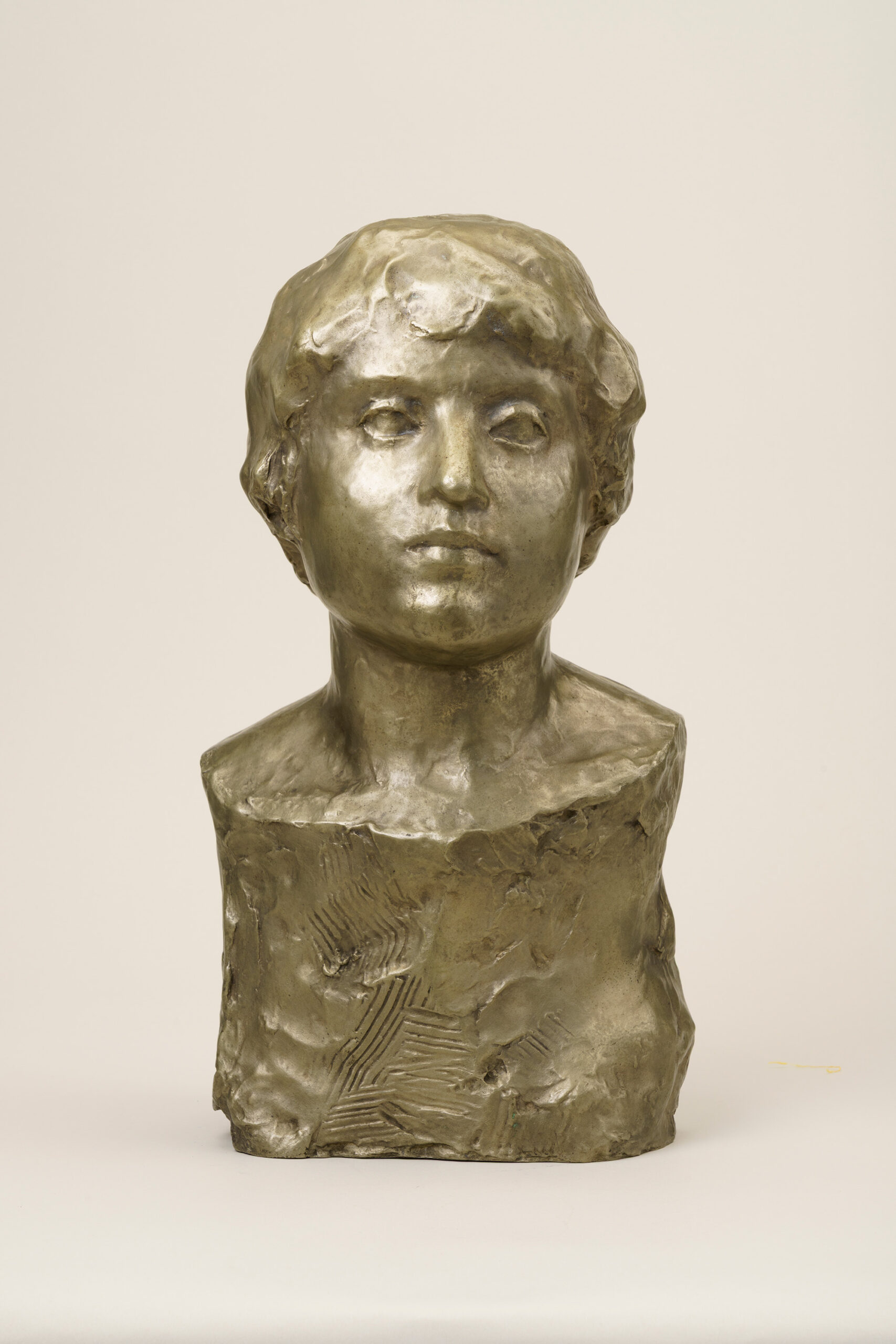
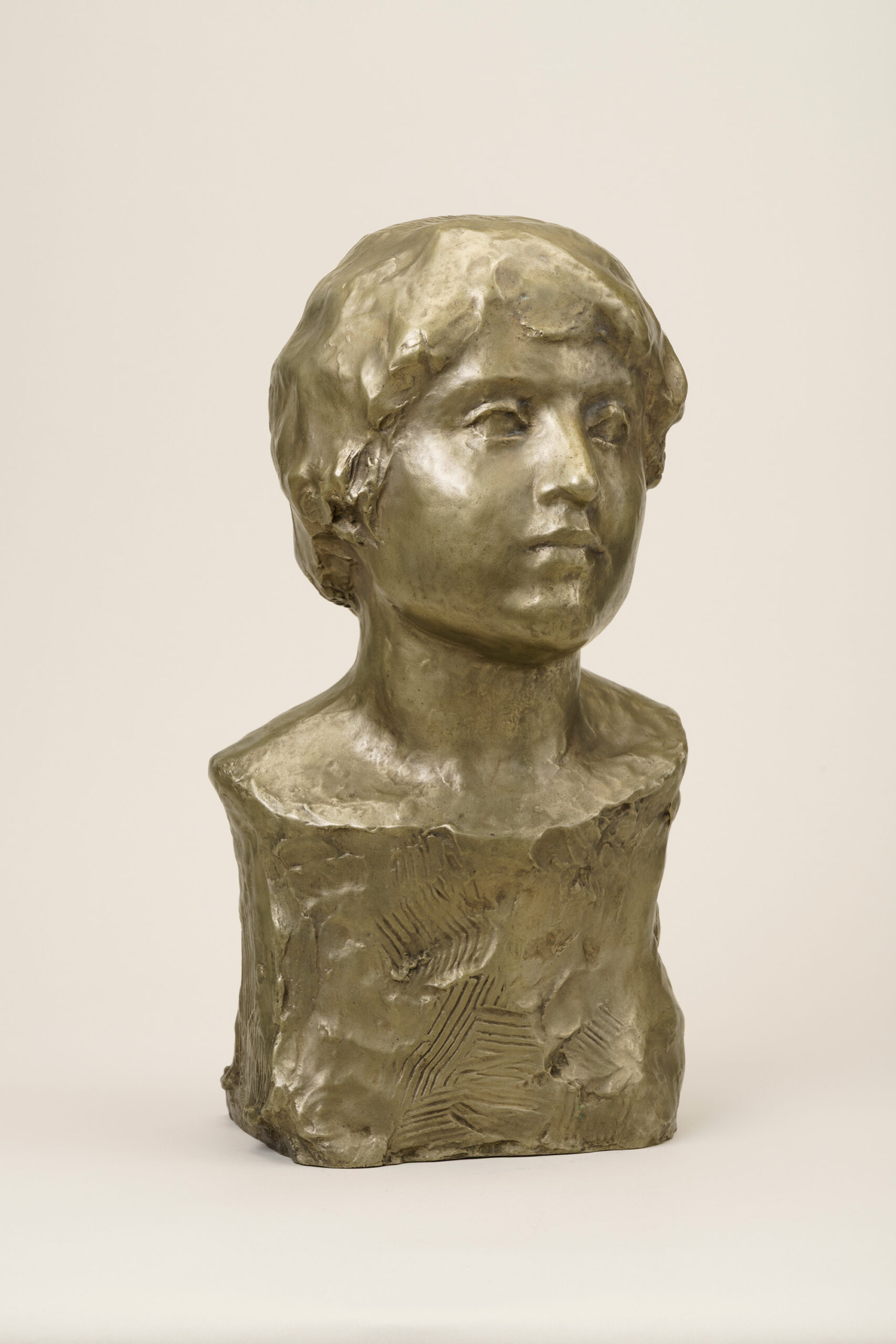
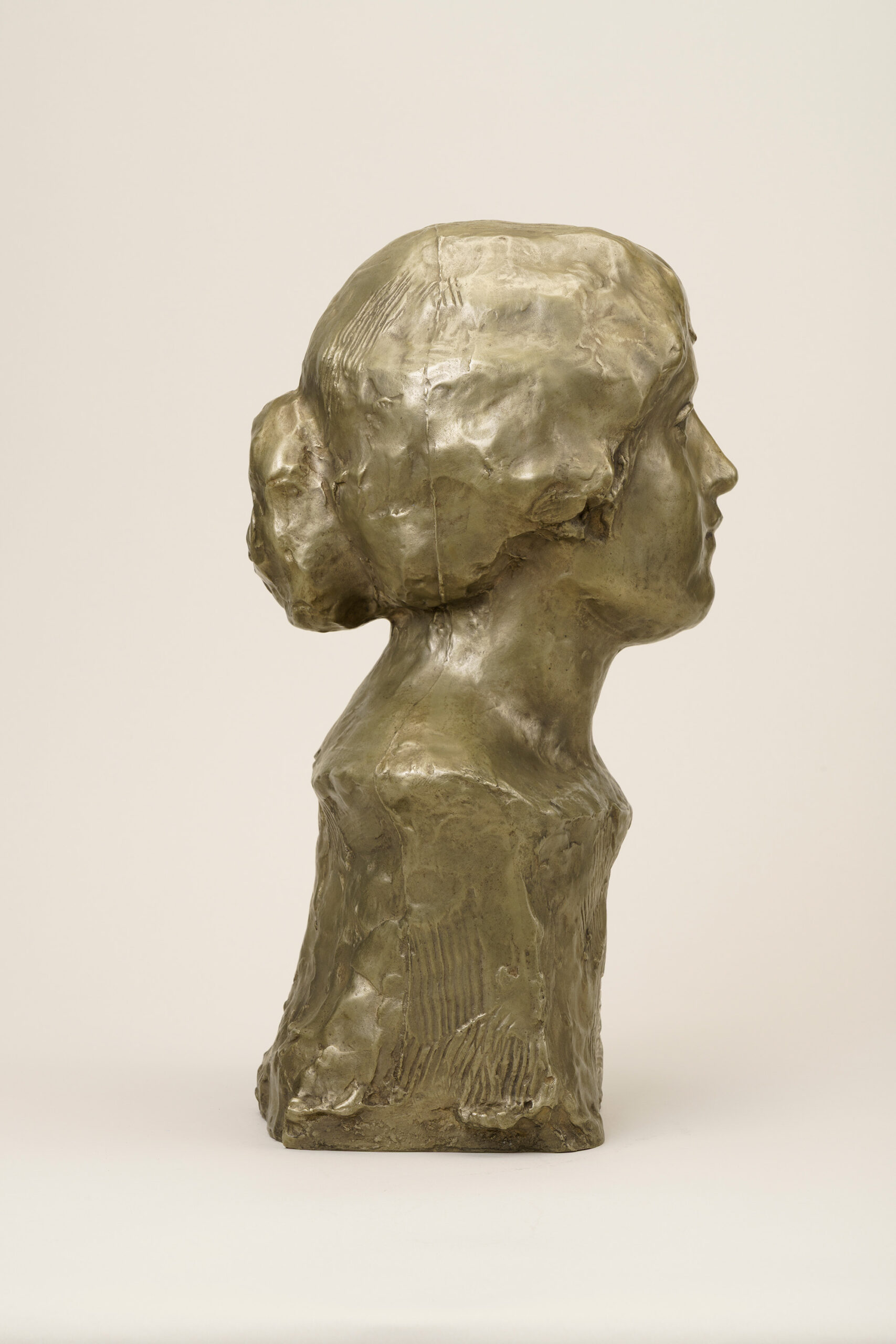
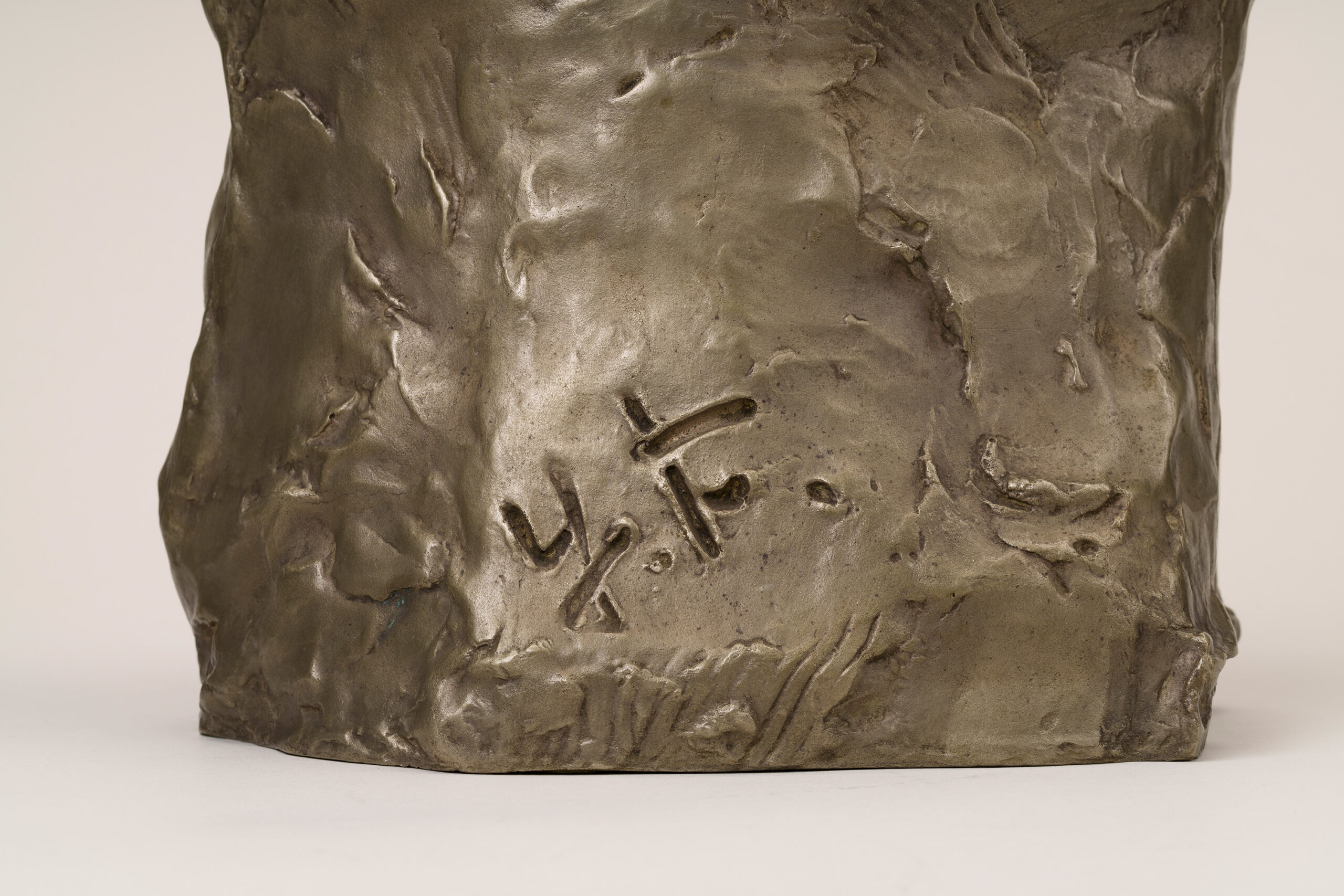
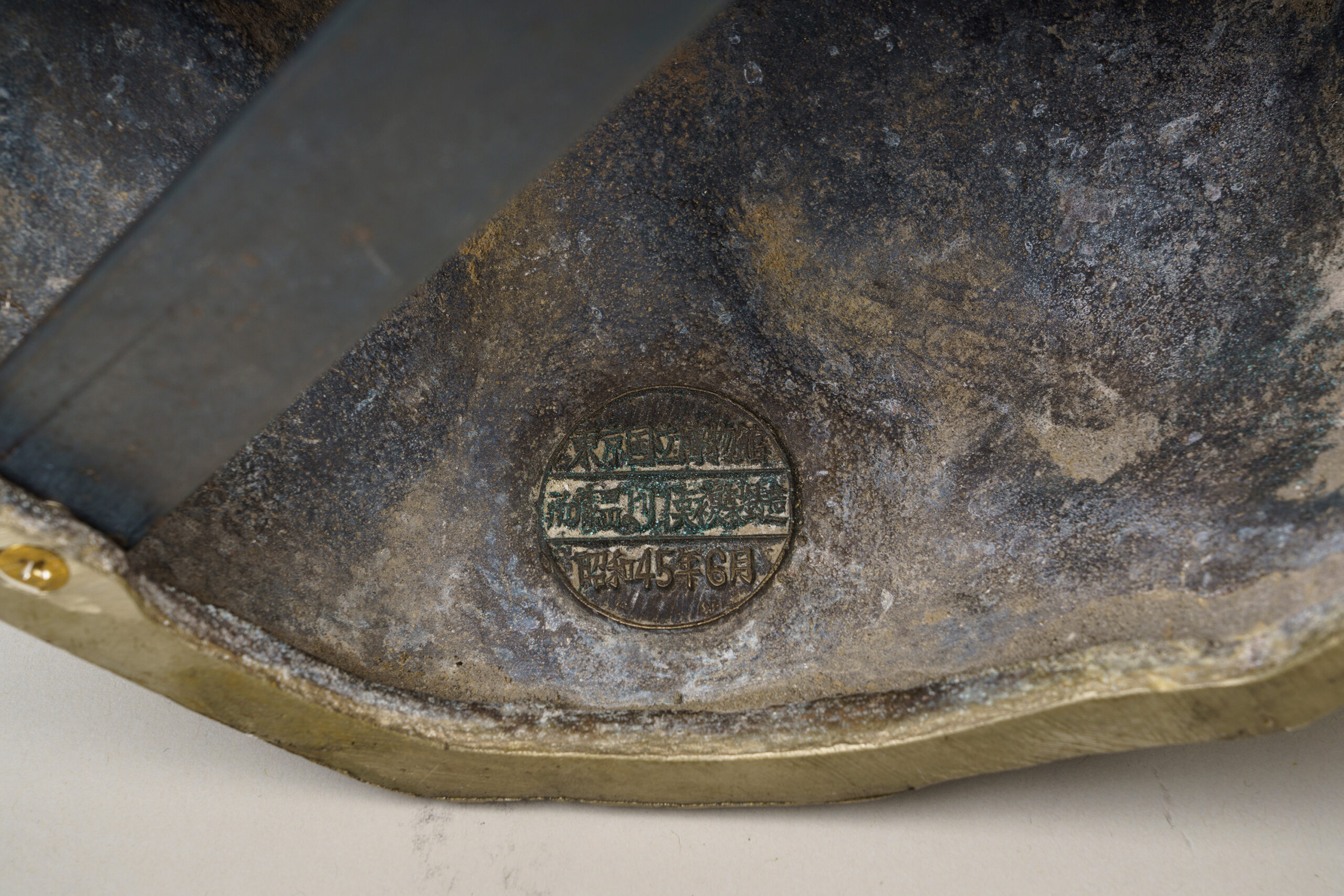
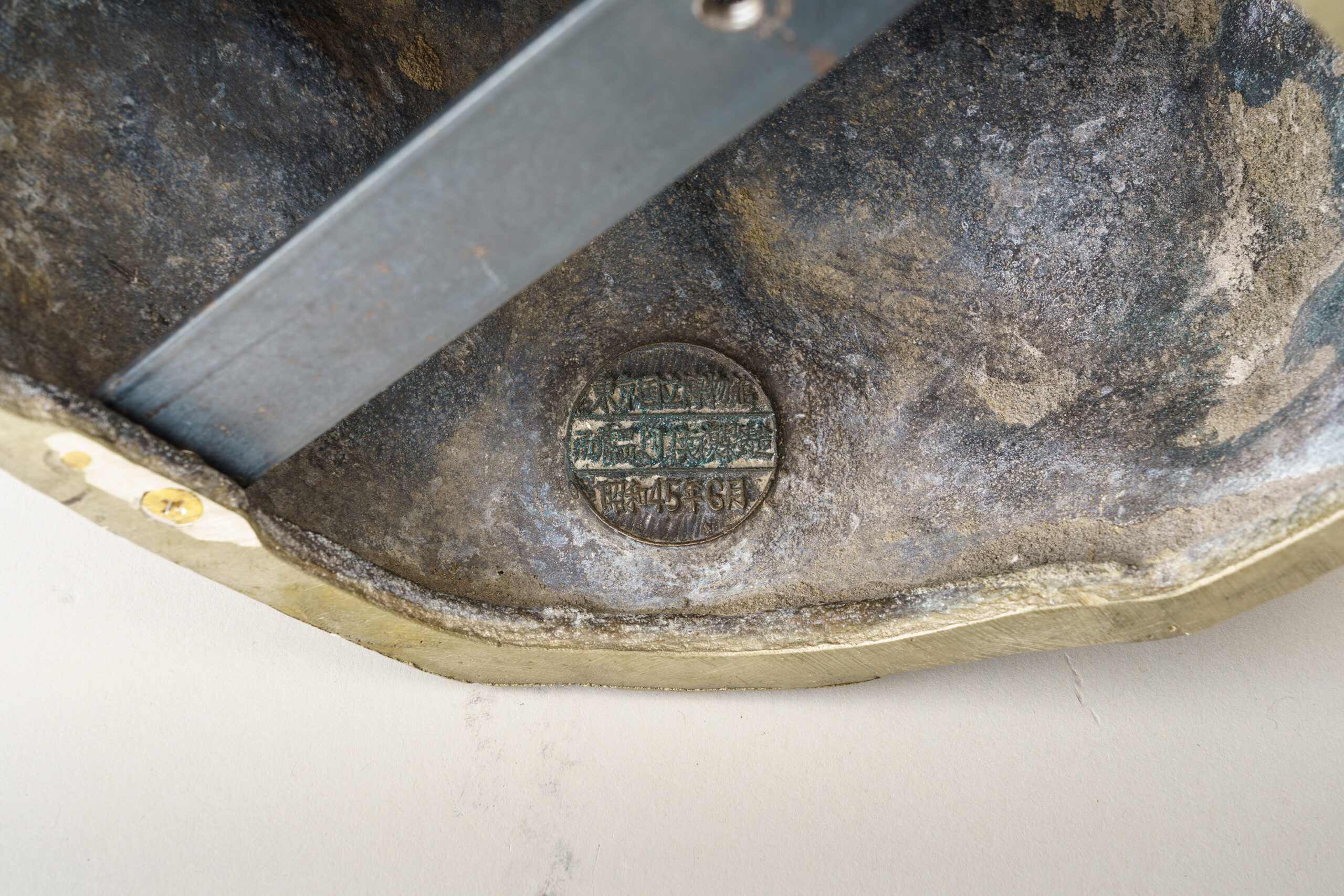
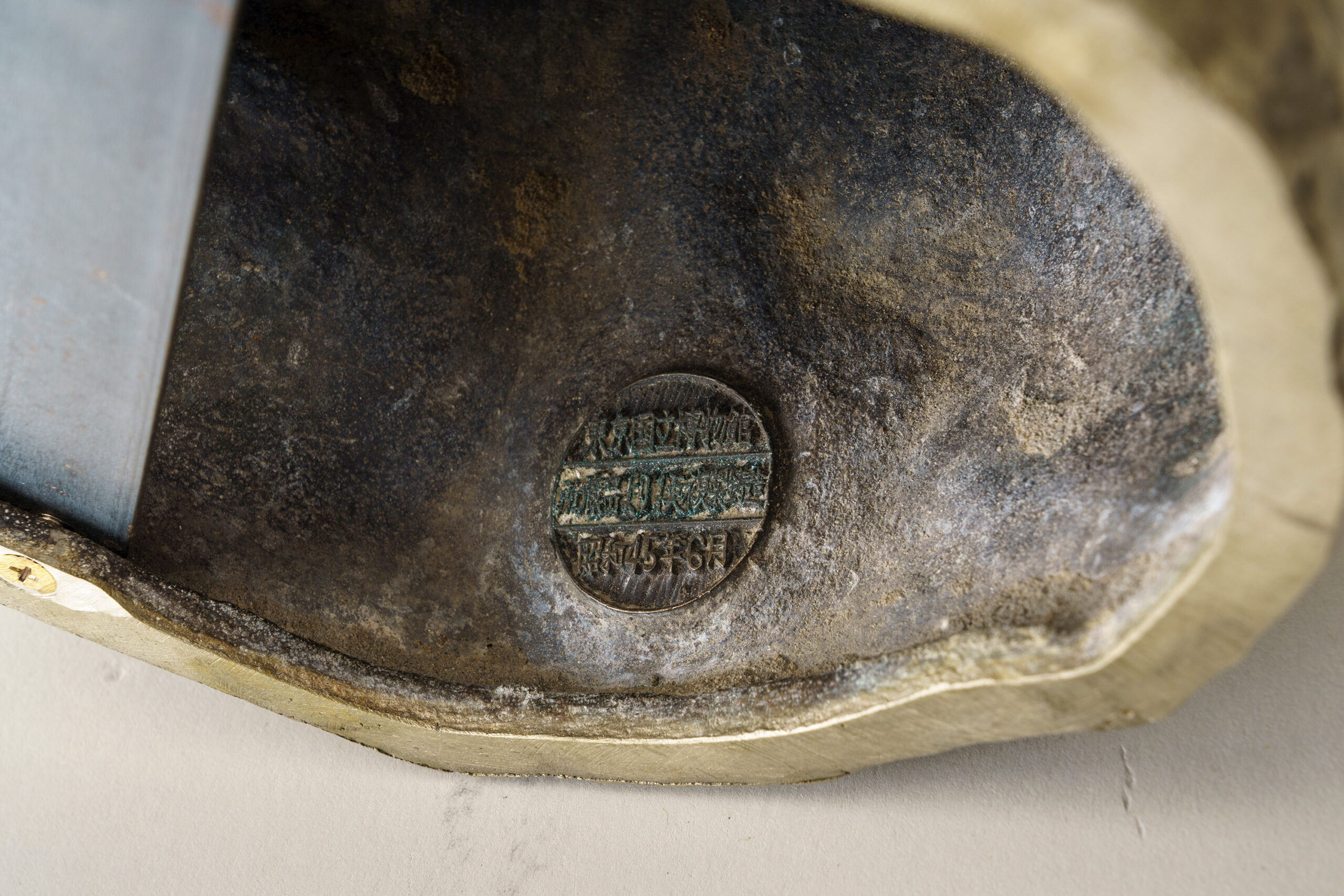
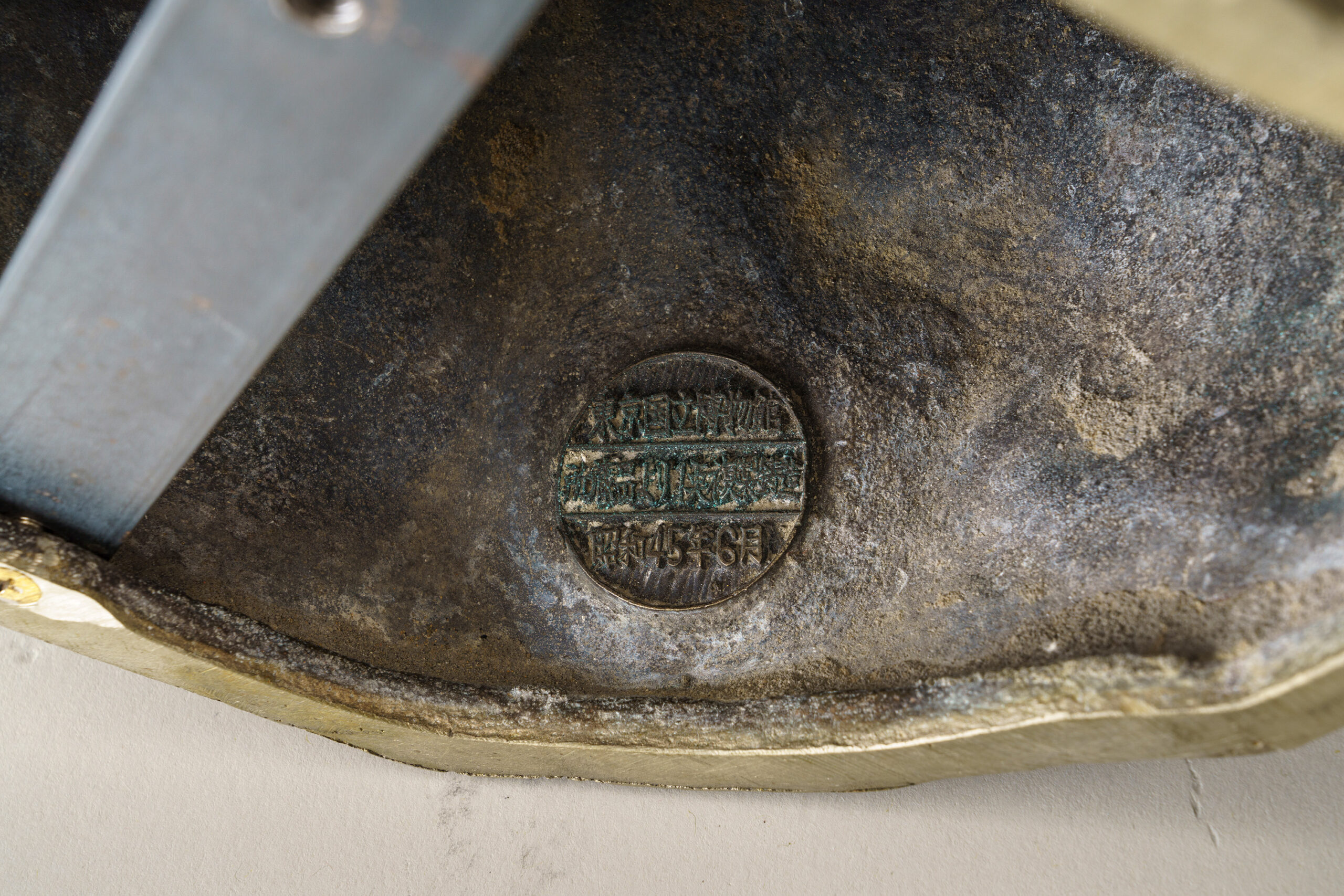
This bust depicts a woman whose gaze conveys warmth and whose presence is marked by quiet elegance. The work was created during Fujikawa’s period of study in France, and he is said to have kept the original plaster model with him even after returning to Japan. Although he deeply admired Auguste Rodin, who is often regarded as the father of modern sculpture, and studied his sculptural practices firsthand, Fujikawa’s works lack the emotional intensity characteristic of Rodin. Instead, they are marked by gentle modeling and a sense of stable weight, conveying a calm and humane sensibility. This work was cast in cupronickel and produced in 1970, thirty-five years after the artist’s death.
Fujikawa was born into the family of a lacquer craftsman in Furujinmachi, Kagawa District (present-day Takamatsu City). He graduated from the Kagawa Prefectural School of Crafts (now Kagawa Prefectural Takamatsu Technical High School) in 1903, and from the Tokyo School of Fine Arts (now Tokyo University of the Arts) in 1908. Selected as an overseas trainee by the Ministry of Agriculture and Commerce, he traveled to France and was an assistant in Auguste Rodin’s studio, becoming one of the few Japanese artists to gain direct, practical insight from Rodin into the fundamentals of sculpture. He returned to Japan in 1916. In 1919, he became the first sculptor to be admitted as a member of the Nika Association, an independent artists’ group formed in opposition to the government-sanctioned Ministry of Education Art Exhibition. There he contributed to the establishment of its sculpture division, leaving a lasting mark on the history of modern Japanese sculpture.