


Detailed Illustration of Fish (Shurinzu) — from the Takamatsu Matsudaira Family Natural History Albums
- Artist
-
‐
- Period
-
Edo period, 18th century
- Quality and quantity
-
Color on paper, folding album format, four volumes
- Size (cm)
-
Vol. 1: H 33.0 × W 48.2
- Category
-
Painting (Japan)
- Classification
-
Designated by the prefecture
- Accession number
-
MY0#01080
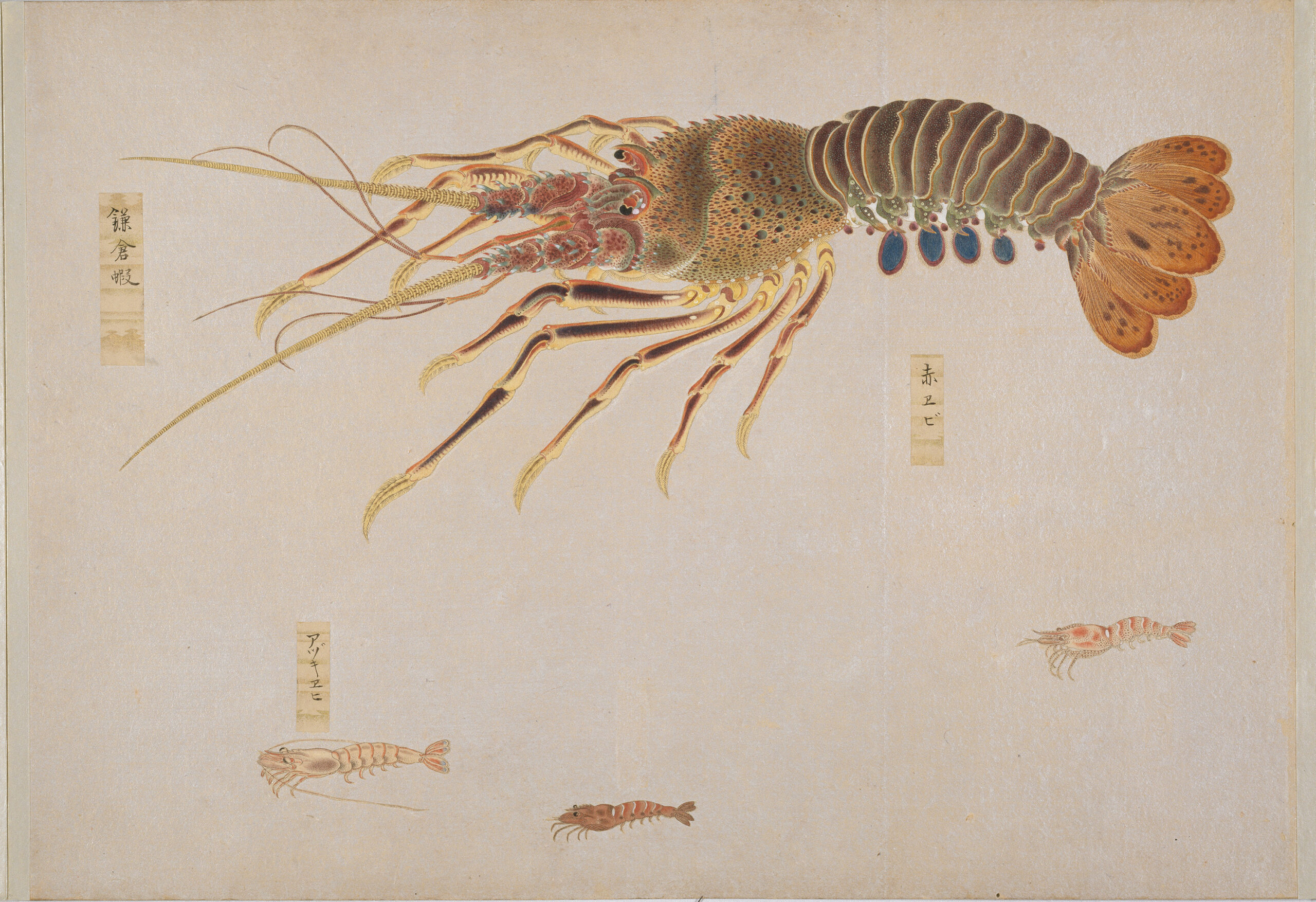
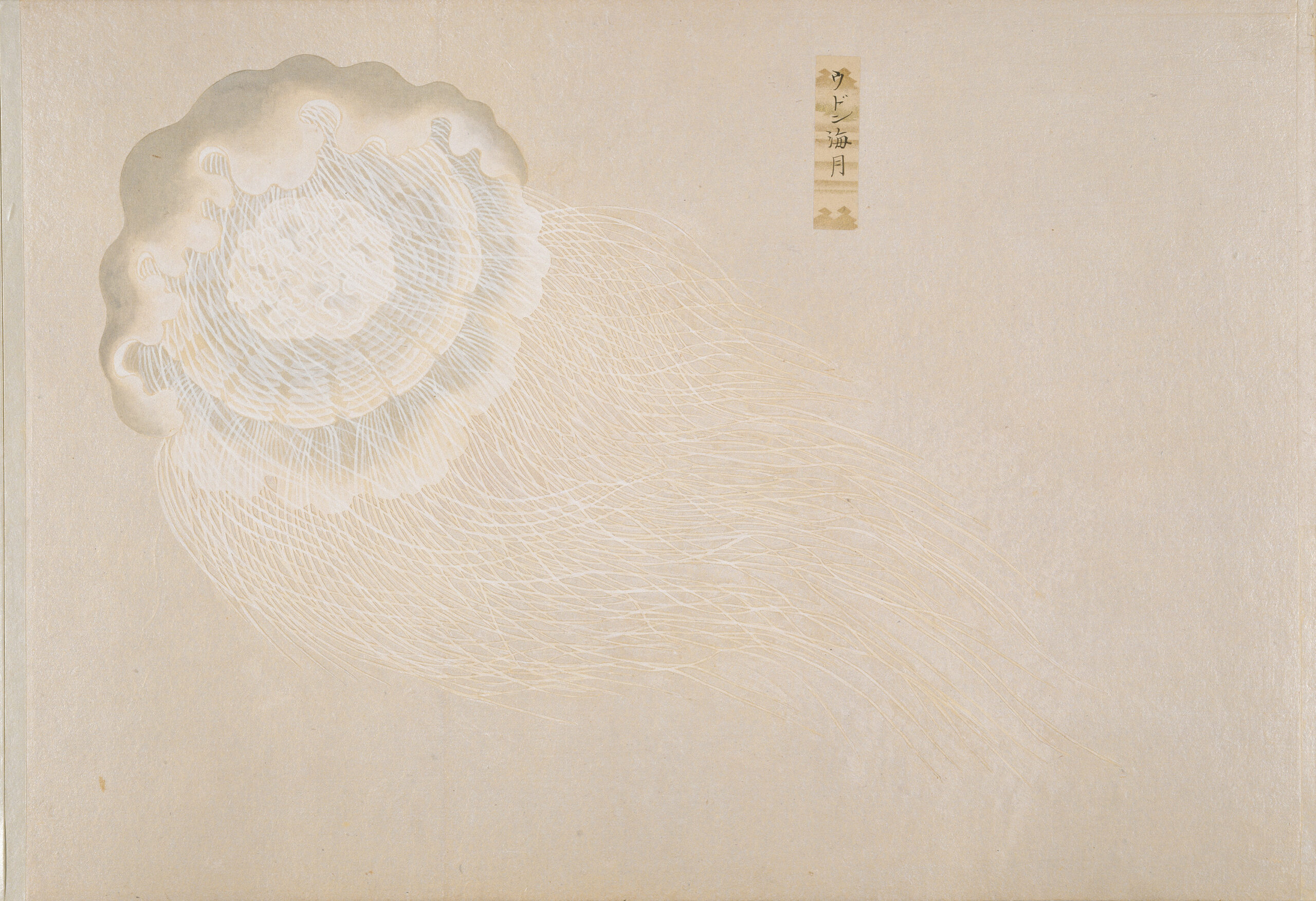
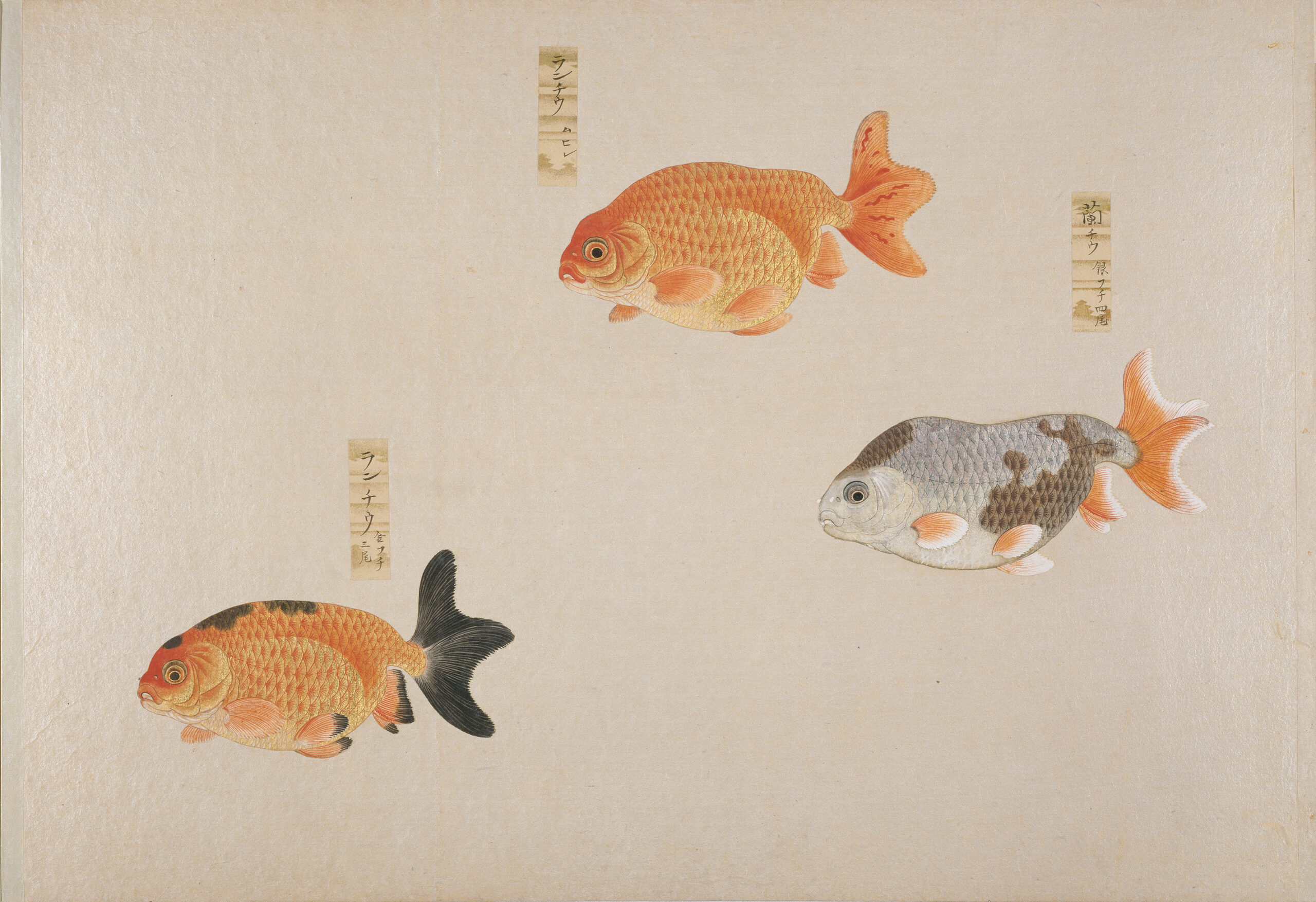
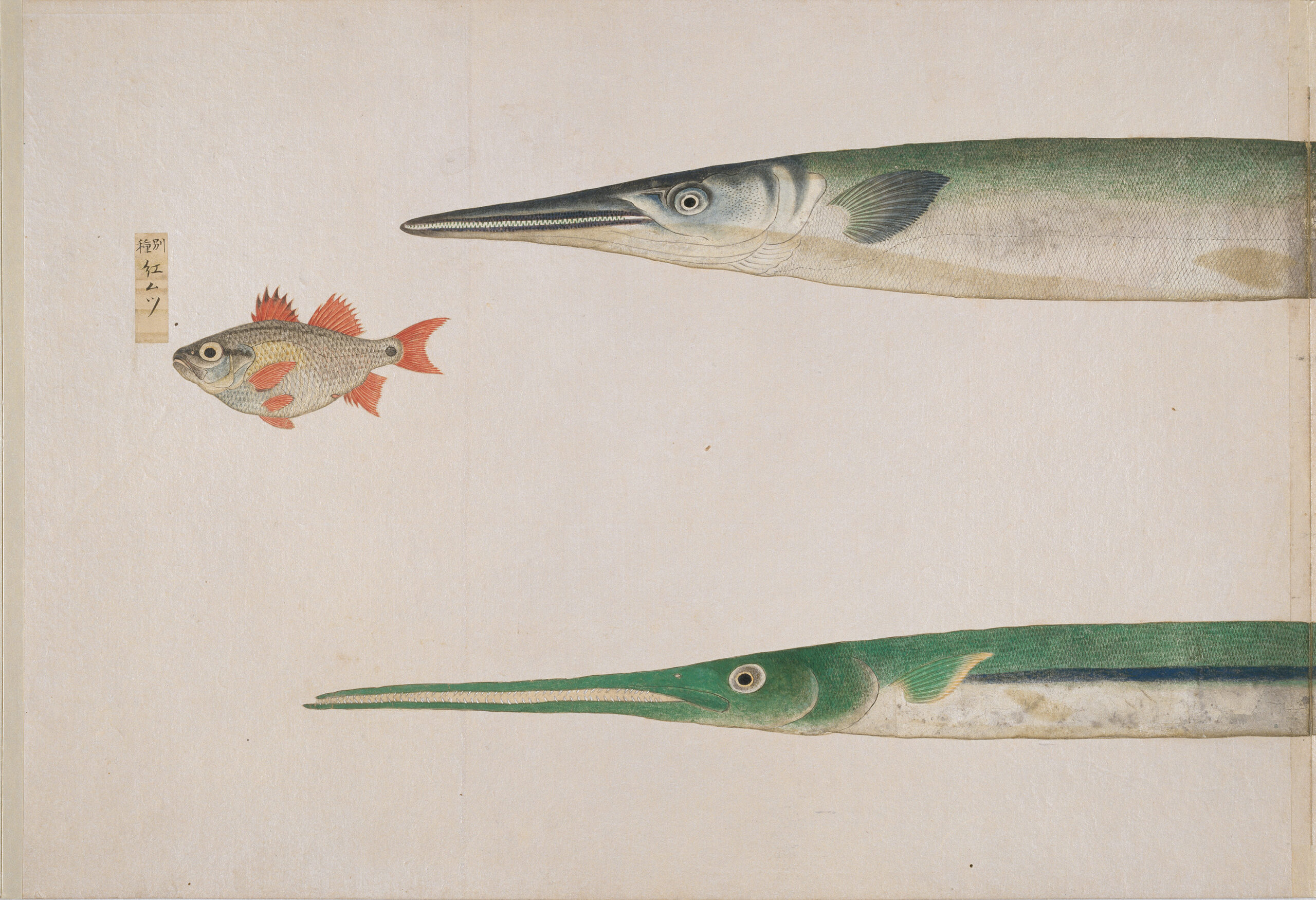
Description
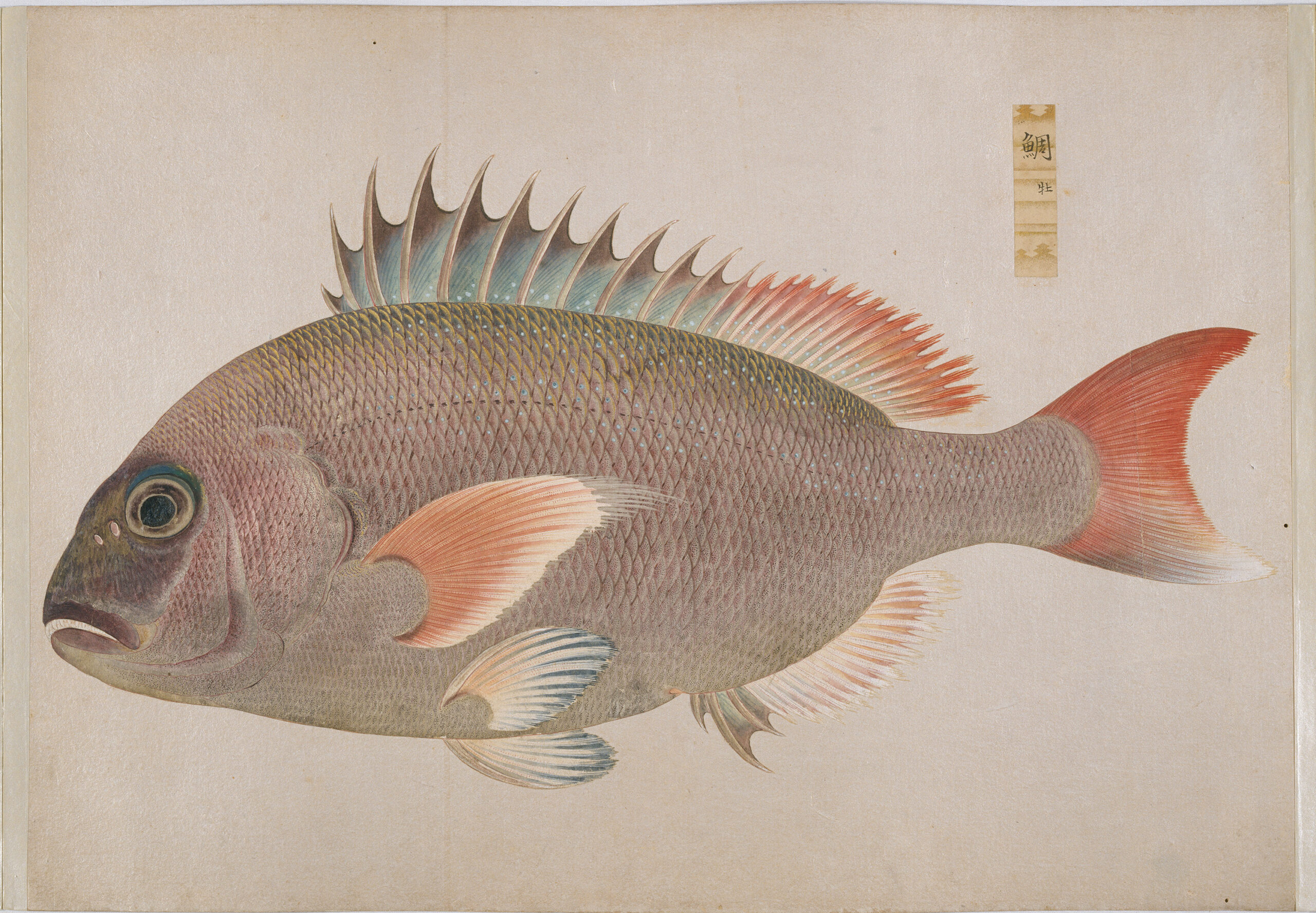
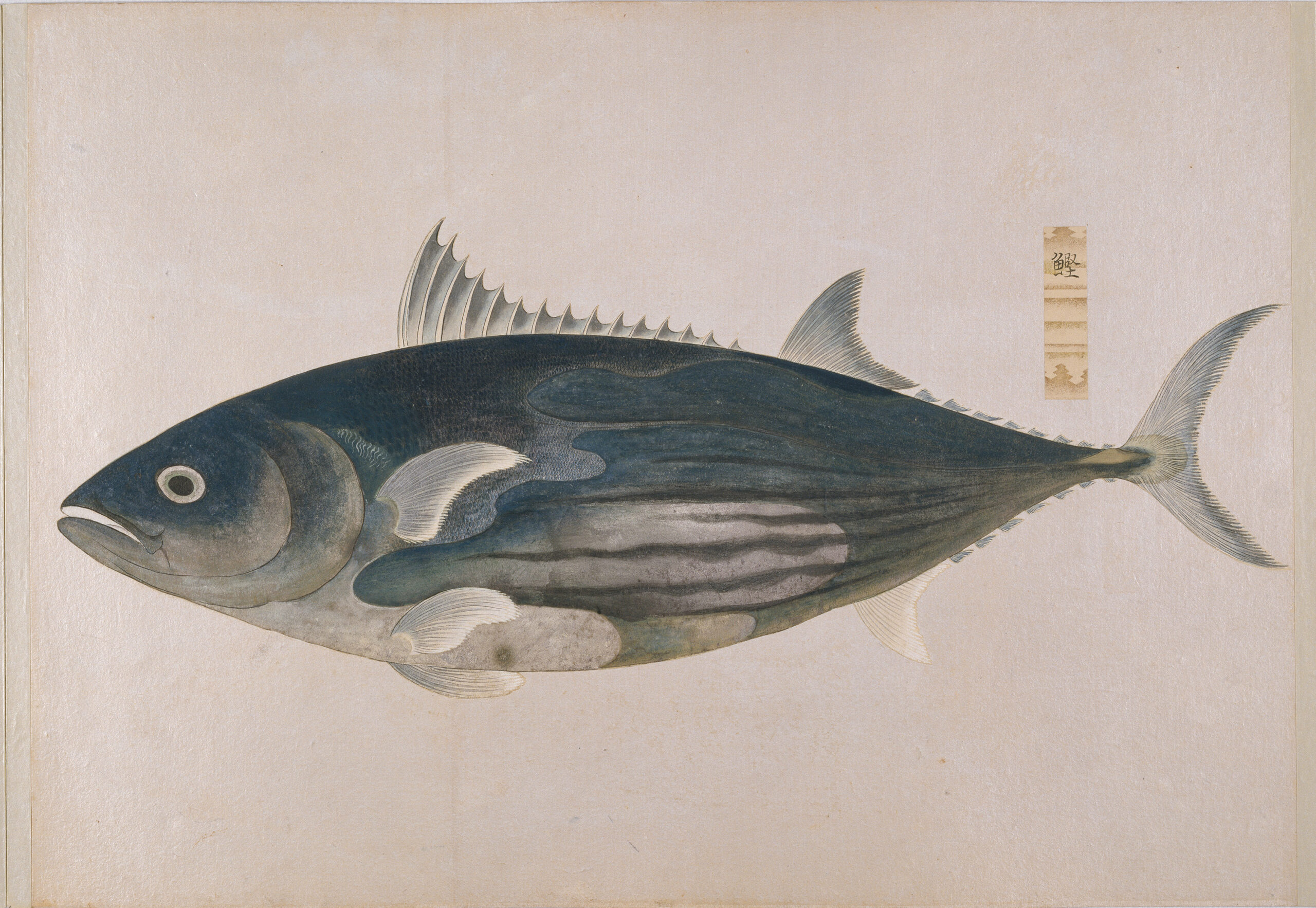
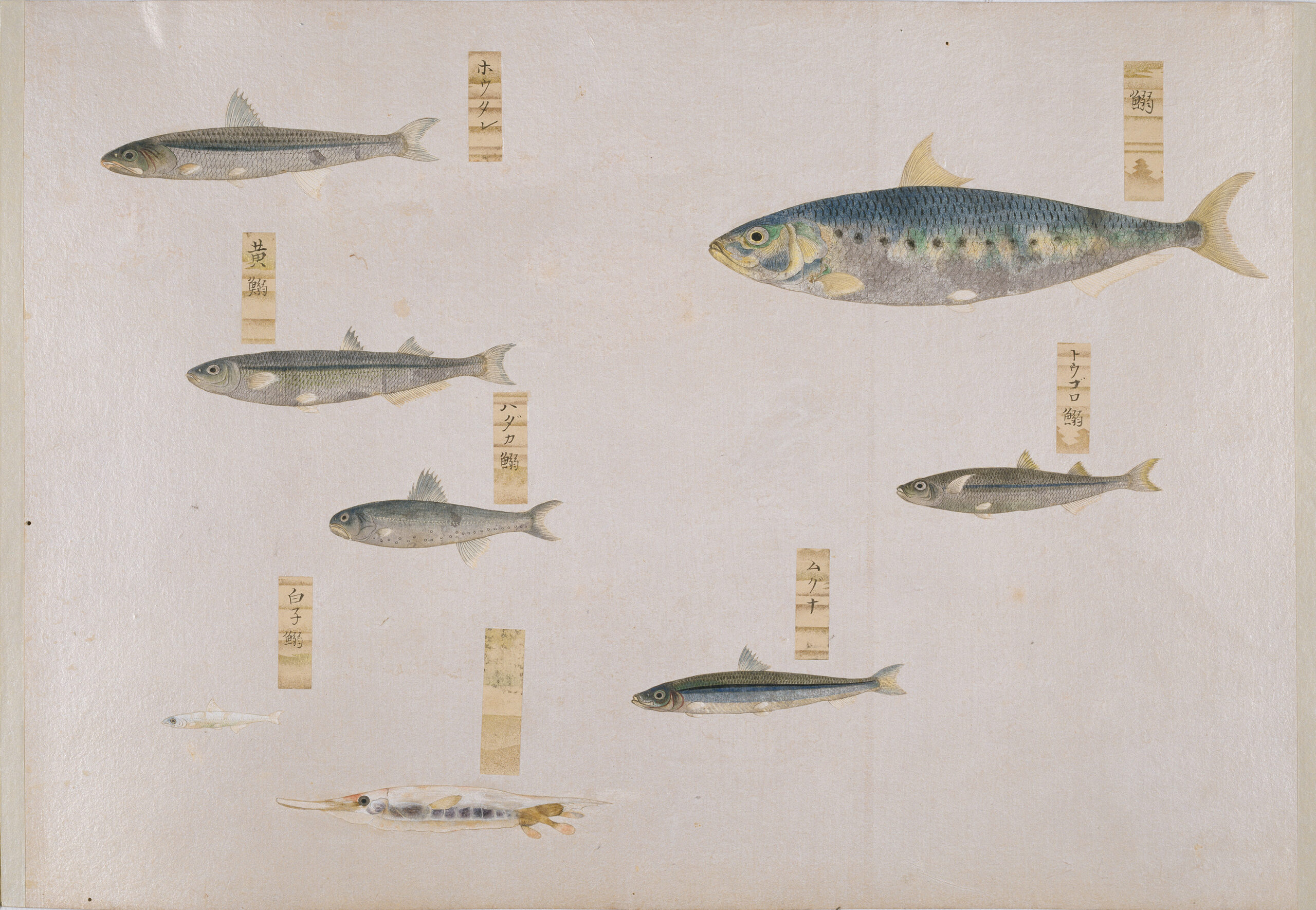
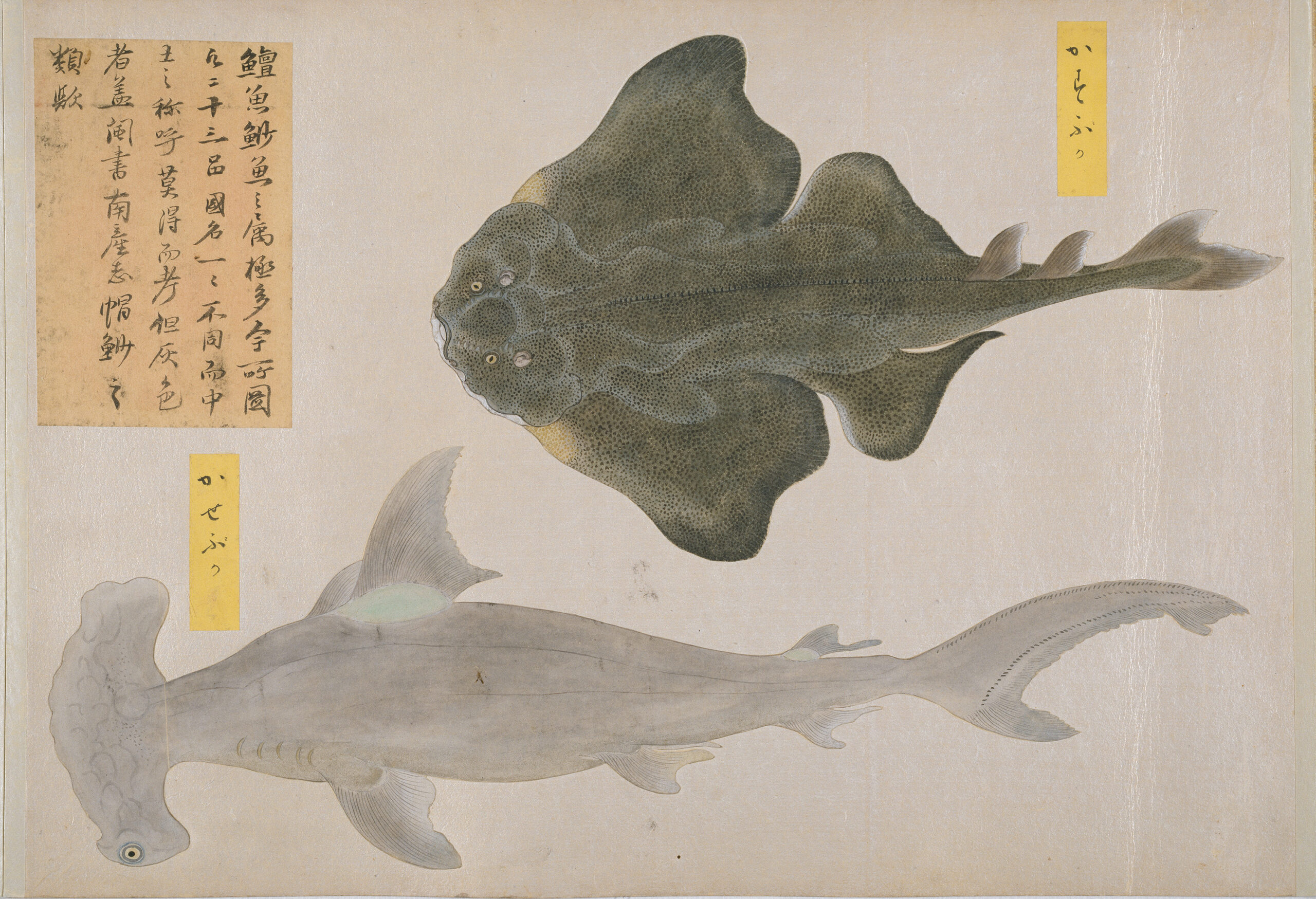
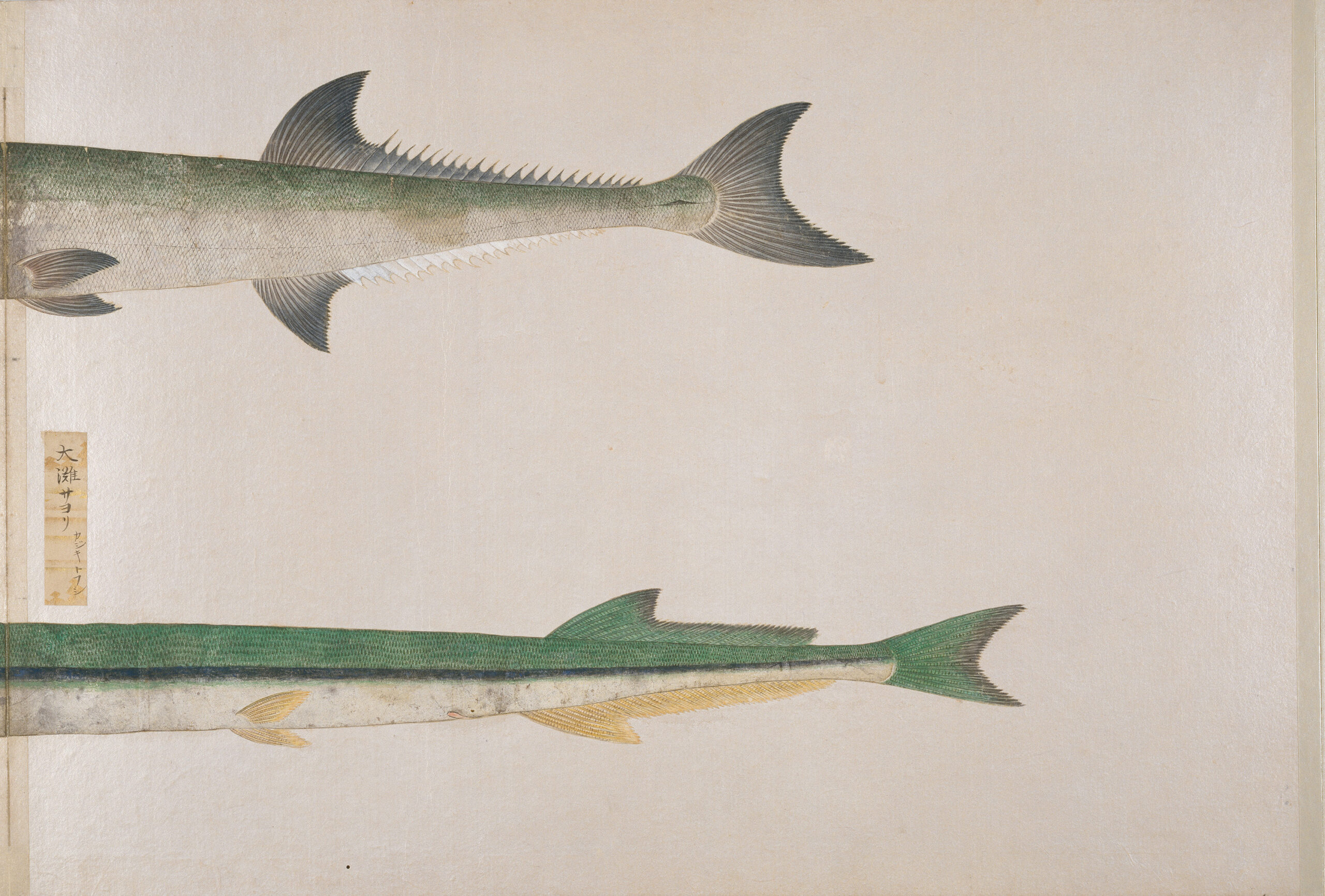
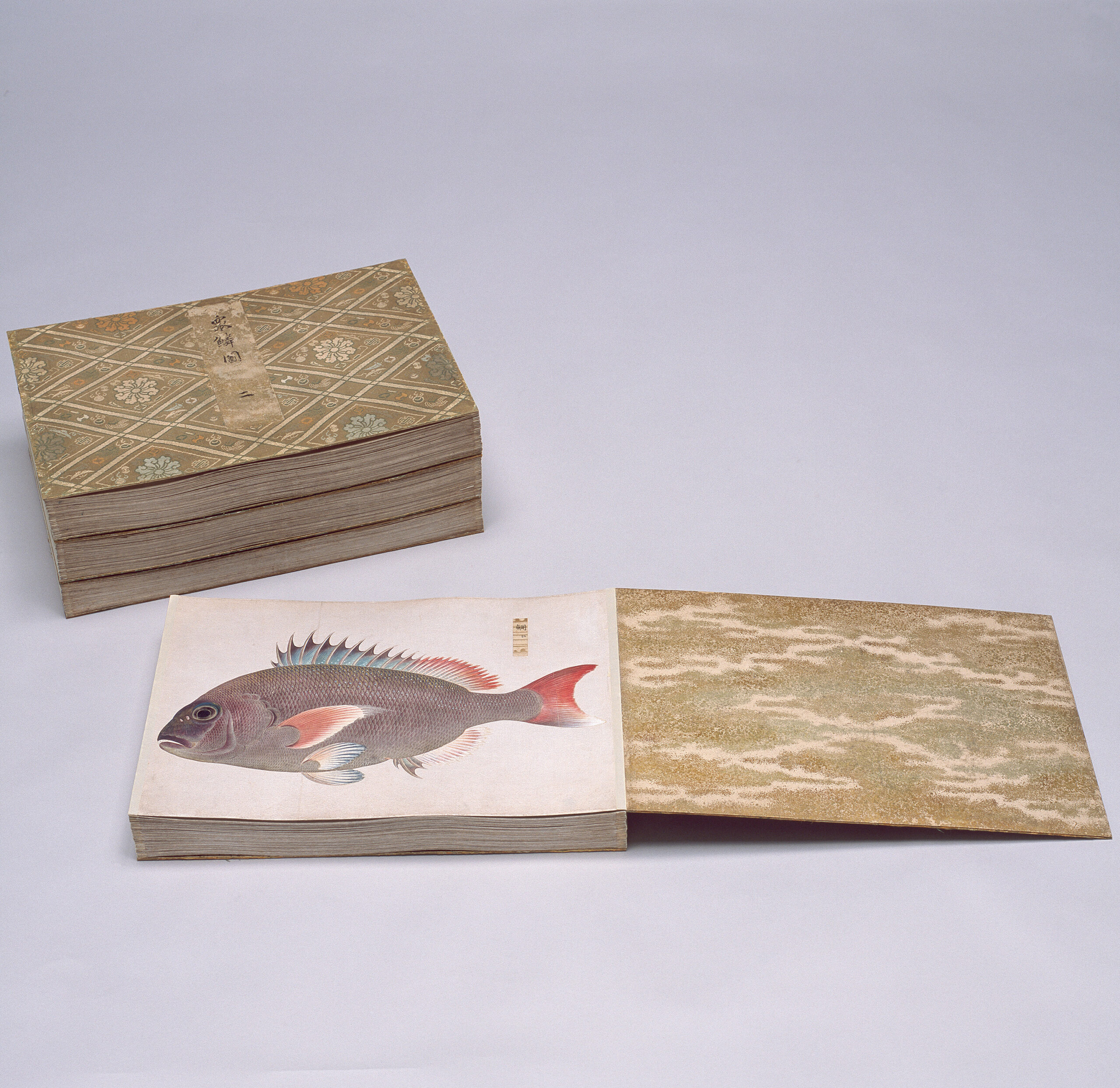
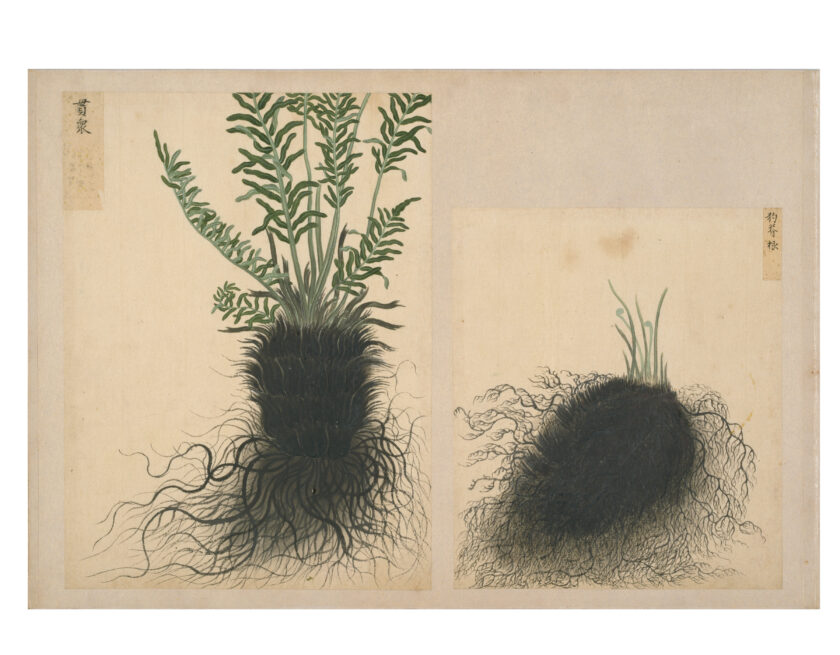
Shurinzu is one of the four illustrated natural history albums that make up a thirteen-volume set preserved by the Takamatsu Matsudaira family. The four-volume Shurinzu is an illustrated compendium of aquatic creatures. The set, which includes Shurinzu, the two-volume Shūkin Gafu (Birds), the four-volume Shūhō Gafu (Plants) and the three-volume Shasei Gajō (Sketchbook), contains a total of 2,141 illustrations.
The forms of the fish are rendered with remarkable accuracy, capturing their biological characteristics with precision. A variety of techniques, such as the use of silver foil for lustrous effects, contour cutting, and raised pigments, are employed to achieve highly detailed and refined depictions.
The work is thought to have been produced under the direction of Matsudaira Yoritaka (1711–71), the fifth lord of the Takamatsu domain who was known for his keen interest in natural history, and Hiraga Gennai, a naturalist who served the domain at the time, is also believed to have been involved. Many illustrated natural history albums were produced in the mid-eighteenth century, during a period of heightened interest in honzōgaku, the study of native flora and fauna in Japan inspired by Chinese materia medica. The illustrated works of the Takamatsu Matsudaira family circulated widely in manuscript form and exerted considerable influence on later publications. This particular album of aquatic creatures was presented to the shogunate under the title Shurin Tekagami, and its accompanying catalogue has been handed down together with it.
The second volume of the four-volume set was taken to Nagasaki together with the Shasei Gajō (Sketchbook), where Chinese scholars then visiting Japan were consulted about the Chinese names of the depicted species and other details. The ink inscriptions on the red paper slips are thought to record explanations and questions posed by members of the Matsudaira family, whereas the inscriptions on the mounts and inner covers represent the responses provided by the Chinese scholars.